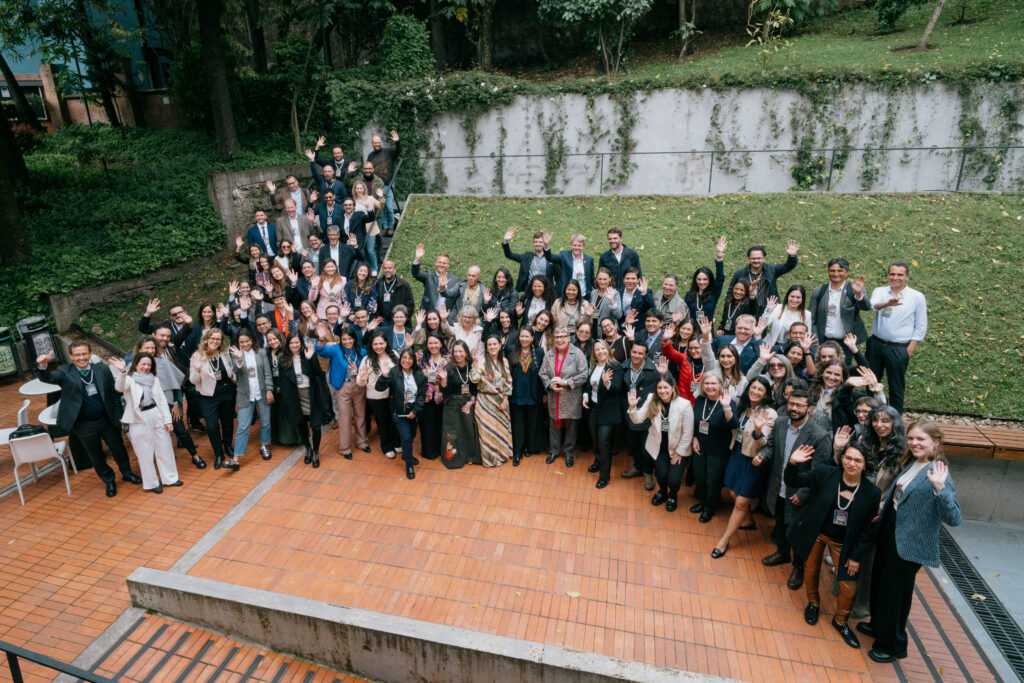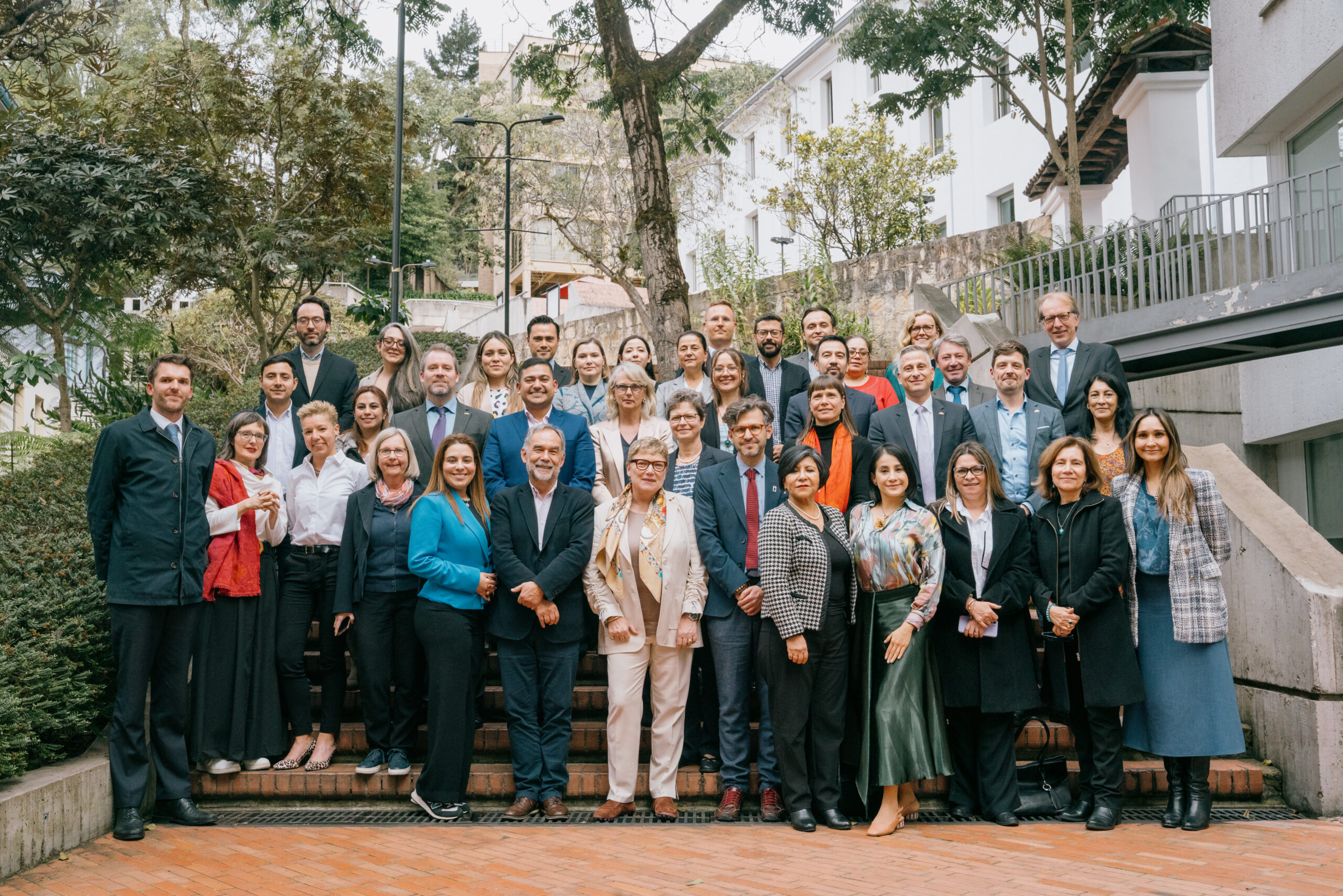
- Representatives of the German Federal Ministries of Economics and Energy; Economic Cooperation and Development; Foreign Affairs and Environment, Climate Action, Nature Conservation and Nuclear Safety met with their counterparts in Colombia to continue working on the climate, biodiversity and just energy transition agendas.
- The academy, the private sector, civil society and German cooperation in Colombia had opportunities for exchange to strengthen joint work.
The First Climate and Just Energy Transition Partnership Week was held at Universidad de los Andes in Bogota from June 3rd to 6th. The event, co-chaired by the Colombian Ministry of Mines and Energy and the German Federal Ministry of Economics and Energy, was attended by representatives of the governments of both countries.
The first High Level Dialogue (HLD) between the two governments on Just Energy Transition took place in the middle of the week. This was complemented by other formats such as the Annual IKI Interface Workshop, the Second Colombo-German Economic Forum organized by the AHK on the occasion of its 90th anniversary, the second meeting of the High Level Steering Group on Green Hydrogen and the inauguration of the traveling exhibition Energy in Transition – Powering Tomorrow. The opening of the week featured speeches by the Minister of Environment and Sustainable Development, Lena Estrada Añokazi, and the Ambassador of Germany, Martina Klumpp.
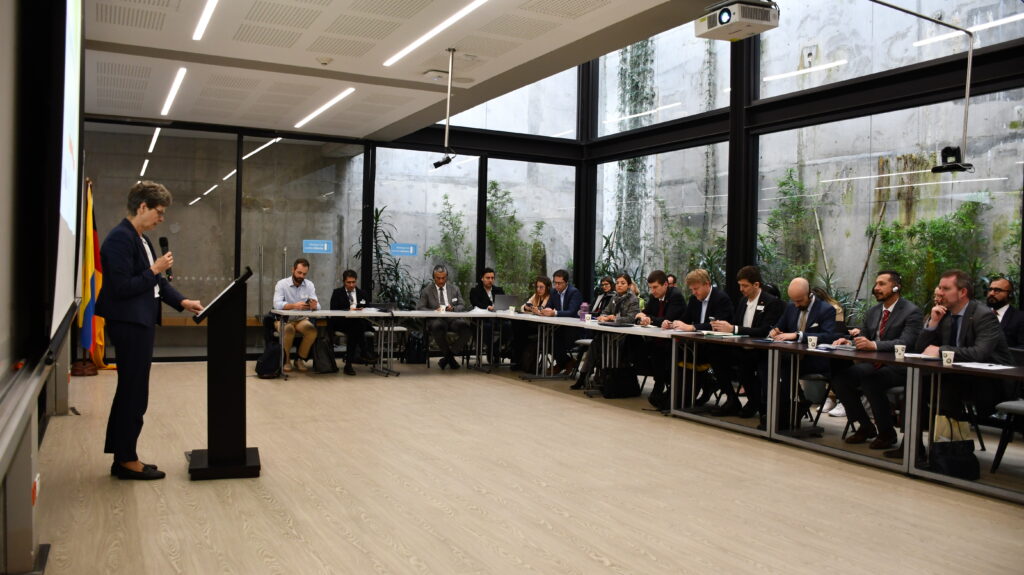
The first HLD between the governments of Colombia and Germany addressed the Just Energy Transition. More than 45 high-level representatives discussed the main challenges, challenges and progress, stressing that, thanks to the Partnership, inter-institutional coordination between the two countries on this issue has been strengthened and that the various working groups of this instance have been key. The space closed with the ambitious commitment to continue collaborating on the priority issues of a just energy transition, such as energy communities, the National Biodiversity Action Plan, green hydrogen, electromobility, as well as capacity building in project structuring.
The Annual IKI Interface Workshop, in its sixth edition, brought together 32 projects of the International Climate Initiative (IKI) in Colombia together with representatives of the Colombian partner ministries and the IKI. Special attention was given to the involvement of IKI projects in the implementation of broad consultation processes at the national level on the new Nationally Determined Contributions (NDCs) to be submitted to COP30 in Belém.
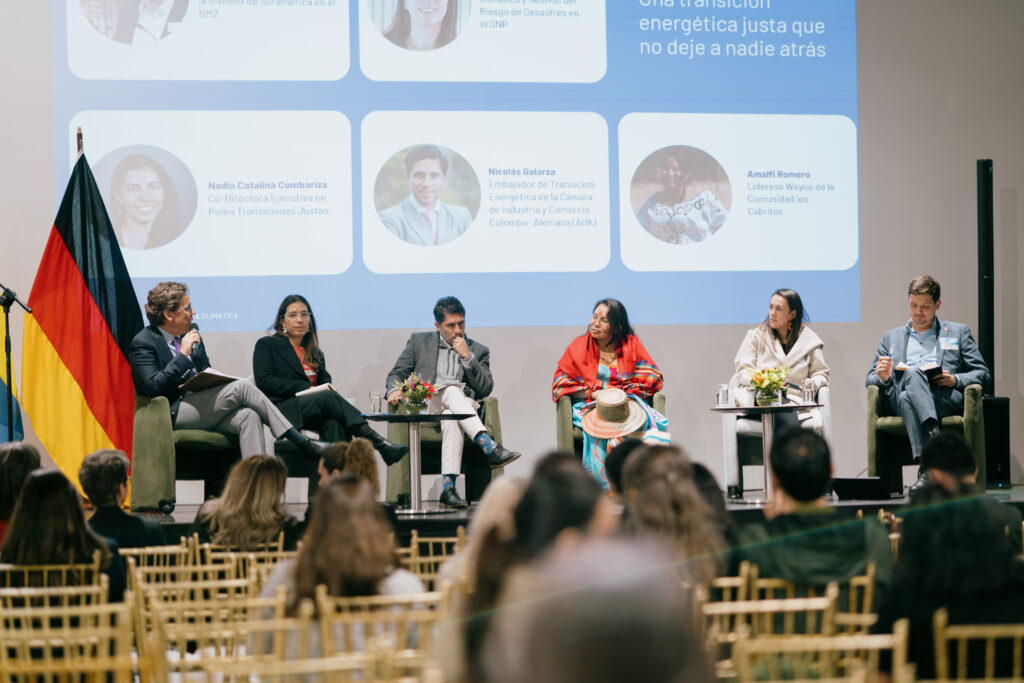
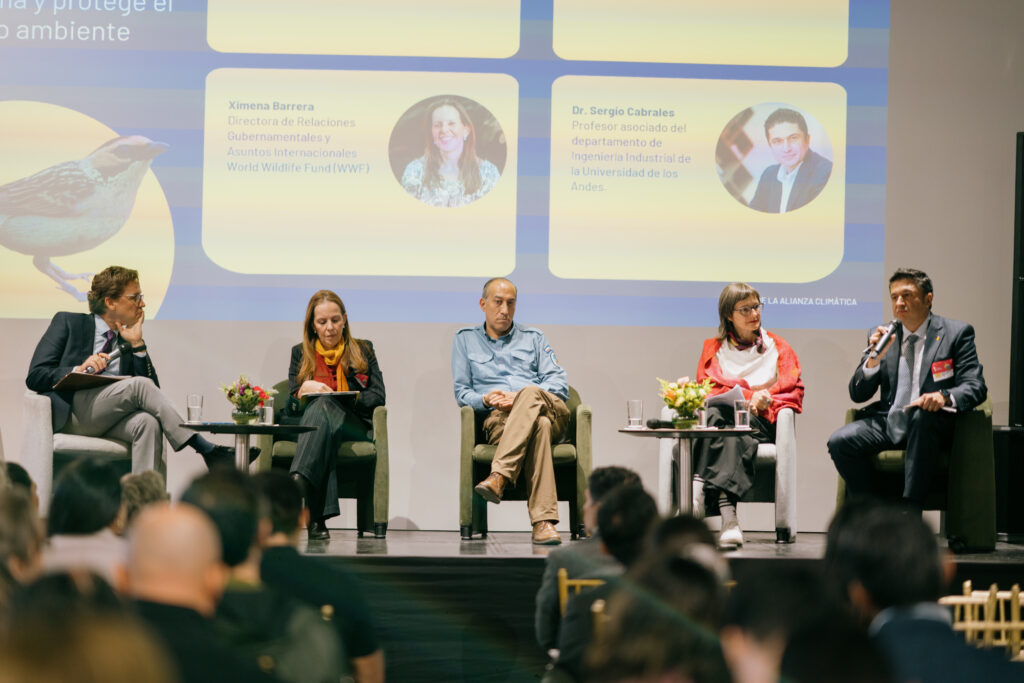
The two-year anniversary of the Partnership was also commemorated with discussions on the environmental and social effects of the just energy transition in which various sectors participated, emphasizing the importance of all people benefiting from this transformation.
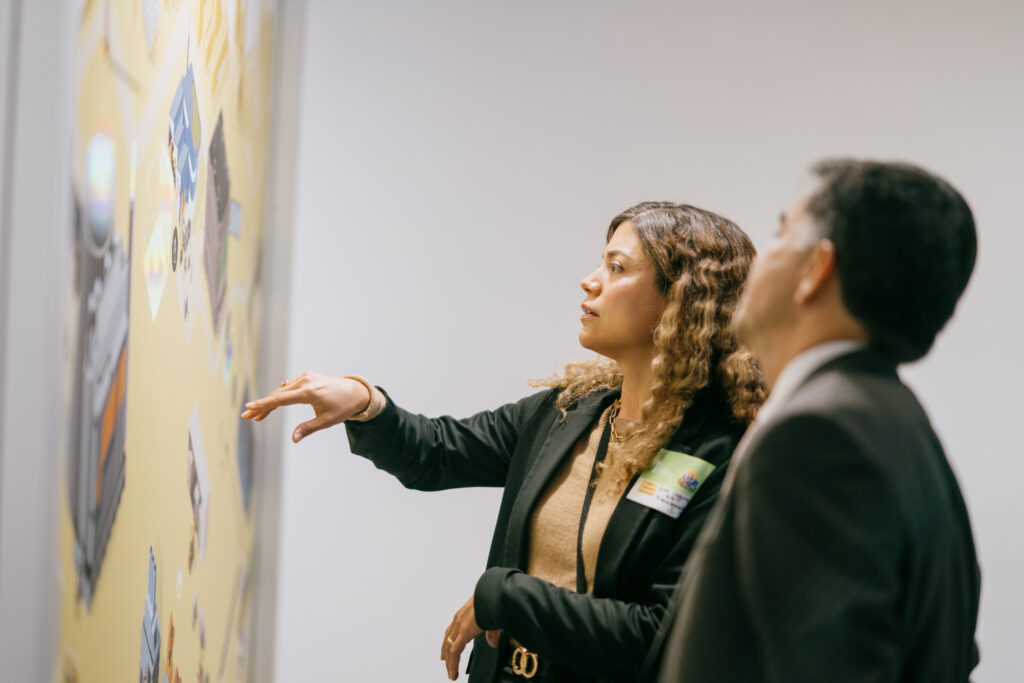
As part of this week, the exhibition Energy in Transition- Powering Tomorrow was inaugurated and will be available for until June 22 at the Universidad de los Andes before moving to Cali.
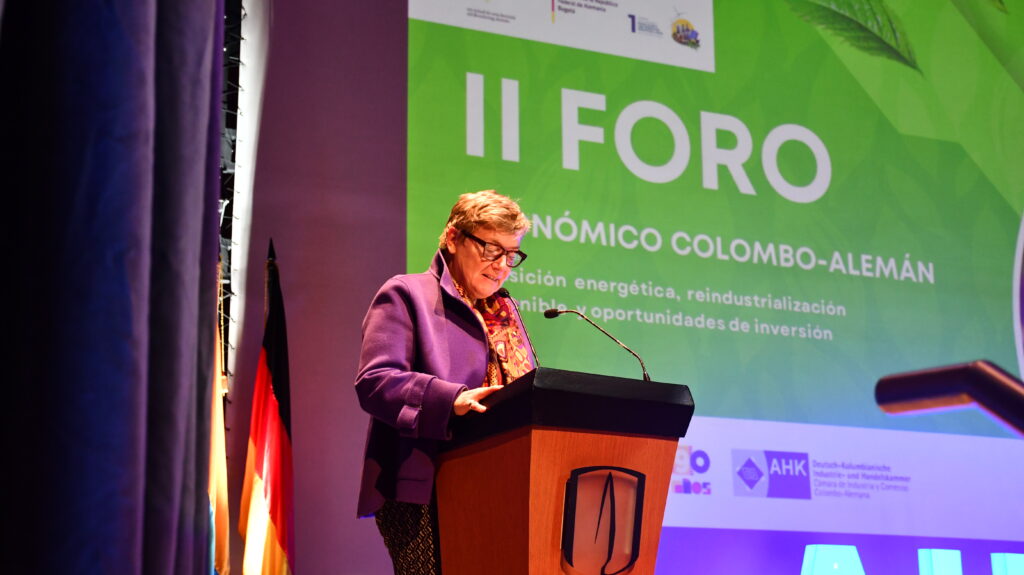
During the Second Colombo-German Economic Forum of the Colombo-German Chamber of Industry and Commerce AHK, which was attended by more than 400 participants, the binational dialogue on the challenges and opportunities to build a more sustainable, efficient and inclusive economy was strengthened. There, the Minister of Mines and Energy, Edwin Palma, highlighted the country’s commitment to a just energy transition.
Also, the second meeting of the Steering Committee of the High Level Group on Green Hydrogen to promote clean energy between Germany and Colombia took place, where the progress and results of the Hydrogen Technical Tables led by AHK with the support of the H2uppp program were shared, as well as the implementation of other German cooperation projects such as the H2-Diplo Program and the Triangular Cooperation in geothermal and hydrogen. In this space was highlighted the importance of implementing the resources of the German government for the development of hydrogen in Colombia in a coordinated manner between the various principals in coordination with the Colombian government and private actors.
The last day of the week concluded with visits to an IKI project and a German company, an excellent opportunity to see in practice the previous discussions and exchanges and to dialogue directly with local stakeholders.
Overall, the events held during this week deepen the cooperation between Germany and Colombia and give an impetus to create new initiatives and programs in the global agendas of climate, biodiversity and just energy transition.