In 2026, the Partnership is leading a series of communication workshops aimed at reflecting on how key issues—such as the transition to renewable energy and the protection of the Amazon rainforest—are framed, in order to identify the best ways to connect with audiences.
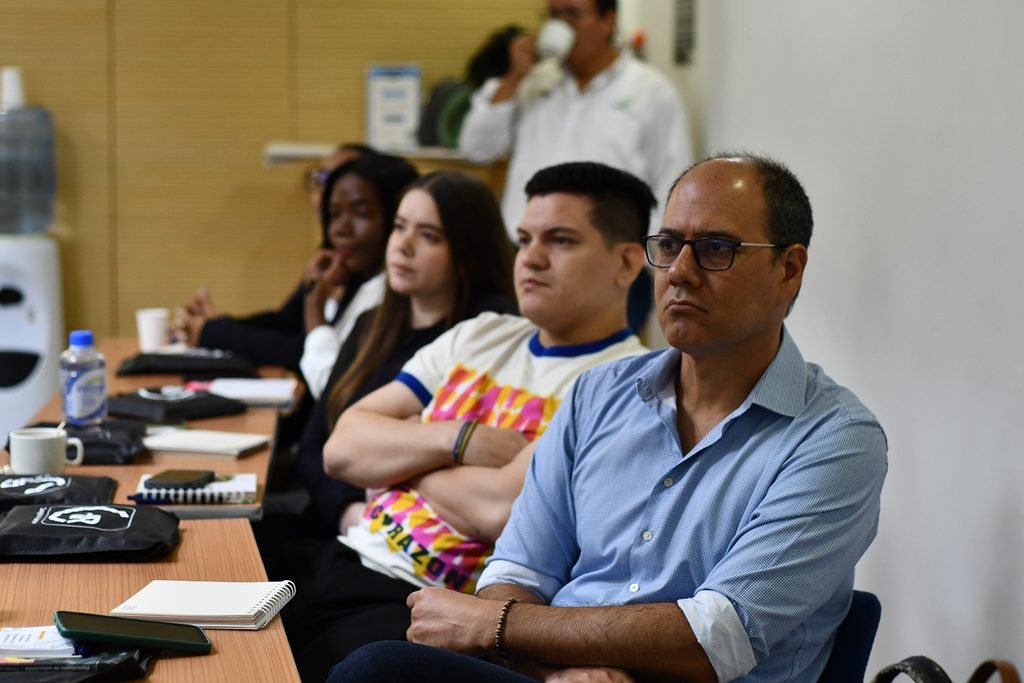
On June 26 in Palmira, Valle del Cauca, a training session for journalists was held in collaboration with the International Center for Tropical Agriculture (CIAT) and Consejo de Redacción. The workshop, titled “Narratives for Communicating the Transition to Clean Energy in Colombia,” sought to analyze how these transformations are conveyed and reported.
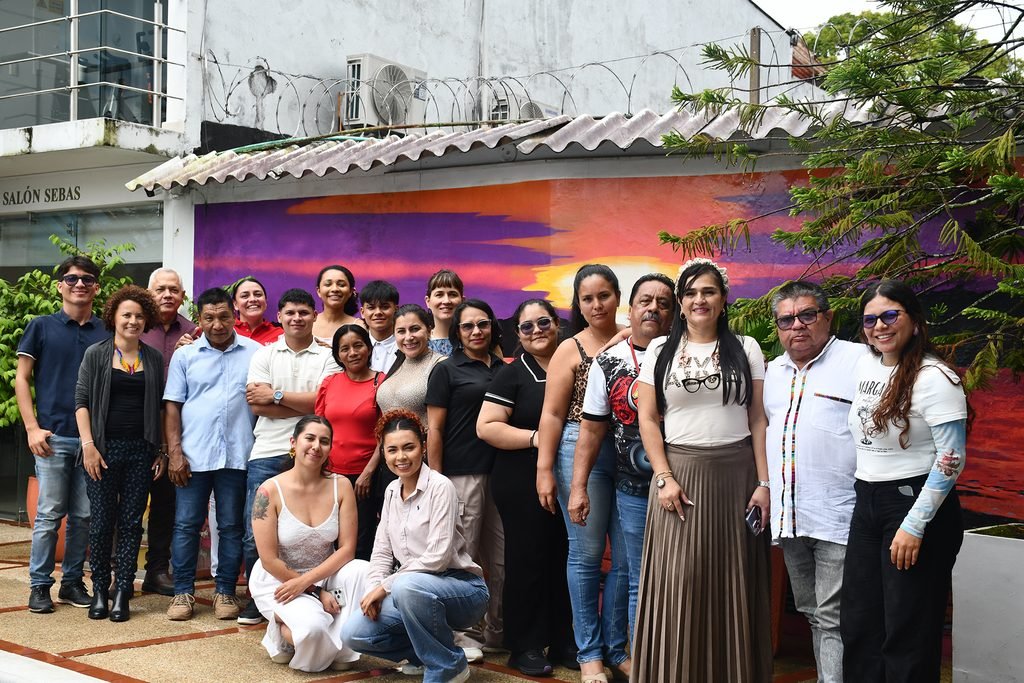
The event was attended by independent journalists and representatives from the Cali Mayor’s Office, the Universidad del Valle, Cali Cómo Vamos, the Valle del Cauca Regional Autonomous Corporation, and Propacífico, among others.
During the event, Héctor Peña and José Fernando Gómez from EmCali shared basic concepts about energy and the energy transition; Fredy Monserrate from the JET-AgriSOL project (CIAT) gave a presentation on agrovoltaic energy; and journalists María Paula Martínez and Laura Sofía Mejía led a discussion on the importance of telling stories from the local level, focusing on people, and explaining the impact of energy on daily life.
Key takeaways from the workshop:
- Focusing on the region, not just the project: the energy transition is experienced differently in each region.
- Conduct thorough research: In addition to reporting on new projects, it is essential to investigate who is funding them, how their benefits are distributed, and how the community is involved.
- Maintaining balance: transparently highlighting both the benefits and the challenges.
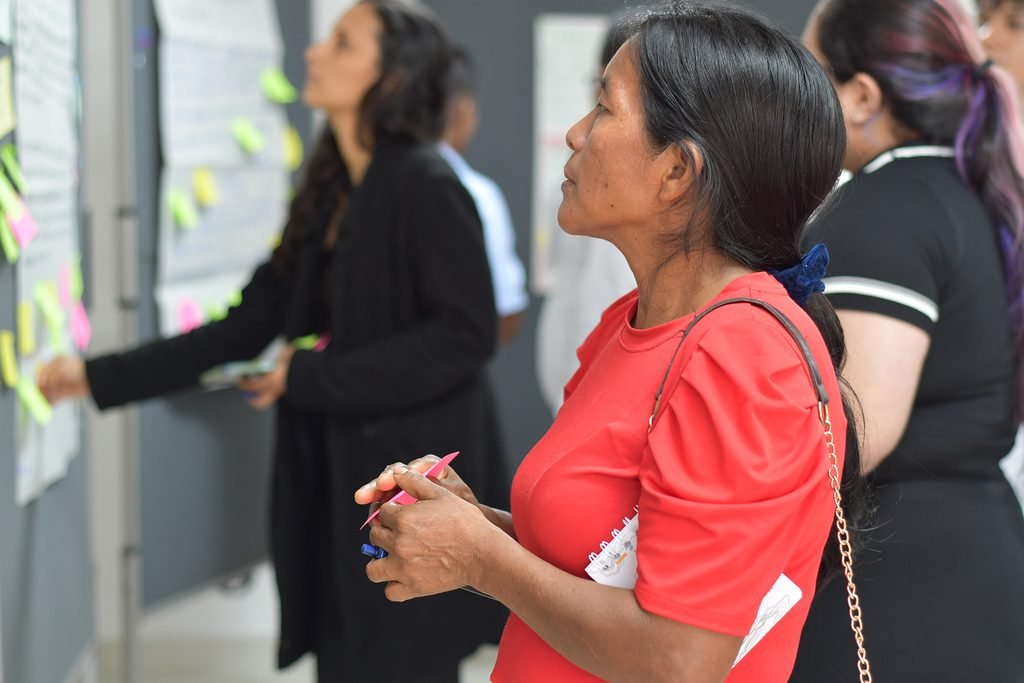
In addition, in August, the workshop “Telling the Story of the Amazon: Tools for Communicating Forest and Biodiversity Conservation” was held in Florencia, Caquetá, organized in collaboration with the ProBosques II project and Consejo de Redacción. Its purpose was to foster a dialogue about the work being carried out in the Amazon region on biodiversity protection, forest restoration, and territorial governance, recognizing the connection between the territory and its communities.
During this session, representatives from the Huitorá and Agua Negra indigenous reservations shared their perspectives on the importance of forests as a source of livelihood. Likewise, the Belén de los Andaquíes Audiovisual School highlighted the value of community-based communication, while José Yunis, coordinator of the Visión Amazonía program, presented an overview of the state of the forests and deforestation rates in the area. The “REM Colombia Visión Amazonía” program is implemented with support from the governments of Germany, the United Kingdom, and Norway to curb deforestation in the Colombian Amazon.
The event brought together representatives from ASOECCAR, ACBA, ASPADEC, HRH Noticias, NRC Noticias, Radio Nacional de Colombia, the Caucheros Communication Collective, the Unit for the Search for Missing Persons, Generación V+, Somos Caquetá, Red Caquetá Paz, and the radio station 104.1 FM.
Key ideas discussed (led by journalists María Paula Martínez and Edilma Prada):
- Place local voices, women’s voices, and the voices of biodiversity at the center of the narrative.
- Rigorously verify data, mapping, and the traceability of supply chains.
- Discover the human stories and stories of community life behind the deforestation figures.
- Explore solutions, local knowledge, and stories of hope rooted in the community.