
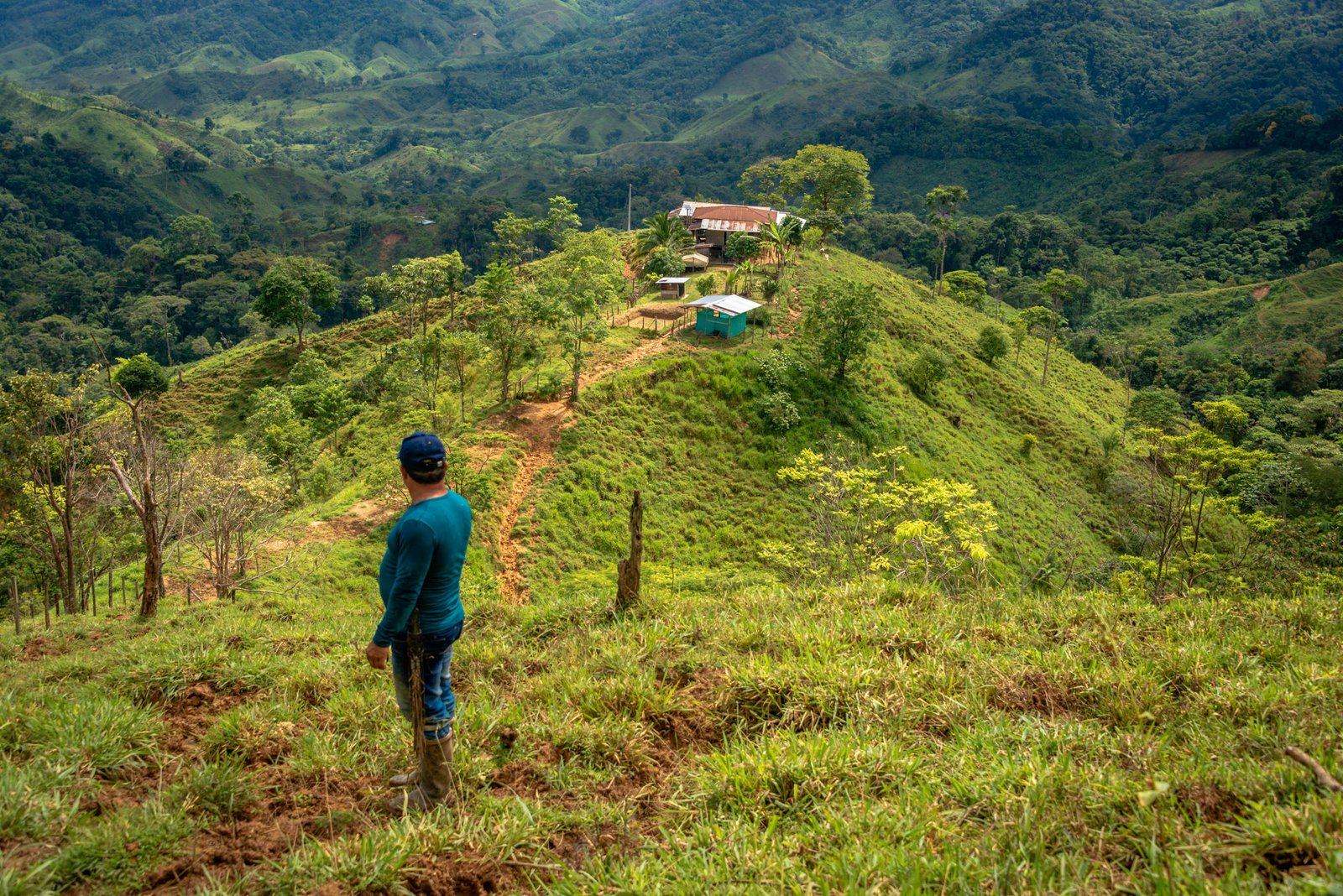
Reorganizing a farm with a focus on conservation and sustainable production requires examining the past and analyzing the present in order to draw new lines on a sketch on paper that promise a good life in the long term. It also requires taking the time to observe the soil, water, crops, and forest; reflecting on family history and relationships with the land; and recognizing what exists, what has been lost, and what we want to preserve. This reorganization is called farm planning, a participatory and collaborative process that allows for the analysis of the environmental, social, and productive conditions of the farm and the surrounding territory, the identification of challenges and opportunities, and the development of joint proposals—between families and technical experts—for its management and transformation.
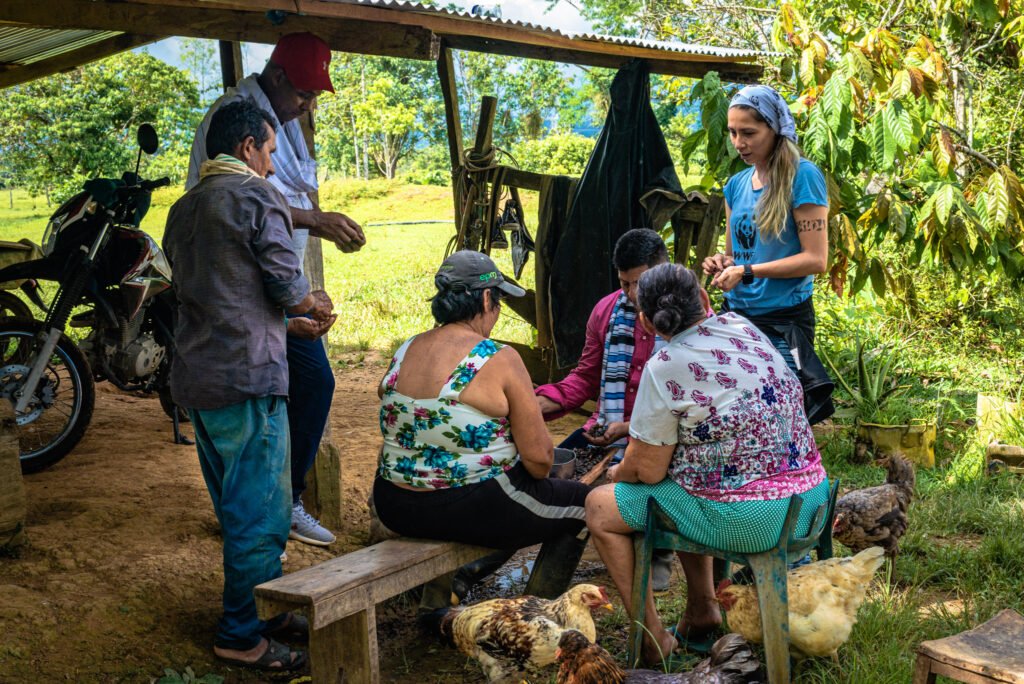
As part of the “Protected Areas and Peace: Strong Communities, Healthy Forests” initiative, 265 farming families have developed plans for their farms with the support of WWF professionals and technicians. These families, who live in the municipalities of Lejanías (Meta), Vista Hermosa (Meta), Calamar (Guaviare), San José del Fragua, and Belén de los Andaquíes (Caquetá), as well as within the Sumapaz, Serranía de Chiribiquete, Alto Fragua Indi Wasi, and Sierra de la Macarena, and their areas of influence, welcomed the WWF team into their homes to tour their farms, discuss their history in the region, and develop agreements for biodiversity conservation and sustainable land use.
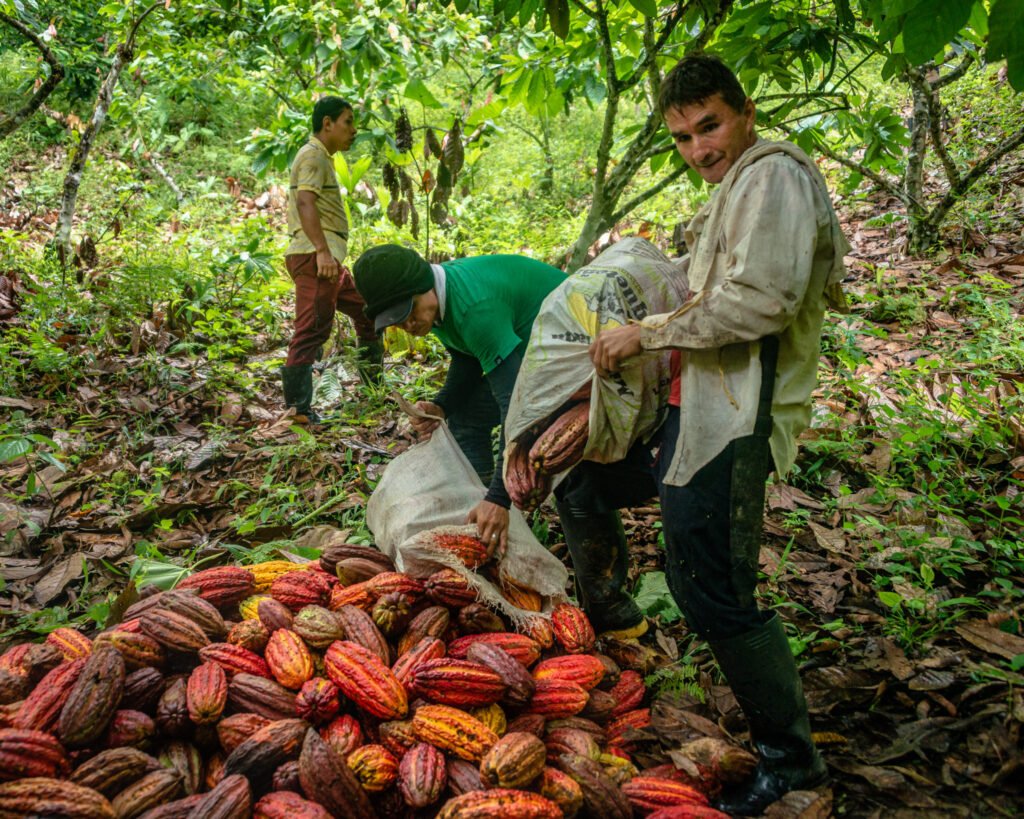
Based on experiences with families, lessons learned were identified and a clear methodological framework was established to guide the planning process; this was documented in the Guide to Farm Planning for Biodiversity Conservation and Management, a handbook that systematizes the lessons learned and presents the methodological framework, which consists of three key stages that integrate family, community, environmental, social, and economic dimensions: recognize, agree, and implement.
Download the Farm Planning Guide
In this guide, readers will find clear and simple instructions for preparation and planning, assessing the farm and the surrounding area, building consensus, defining actions, and tracking and monitoring implementation. In addition, at the end of the booklet, you’ll find a link to download a folder containing the tools needed to carry out the planning process: the toolkit.
A Toolkit for Moving from Planning to Action
The planning guide alone does not fulfill its purpose; therefore, it is accompanied by a toolkit that enables the translation of planning into concrete actions on individual farms, always through a participatory, community-based approach tailored to each family’s capabilities. In this toolkit, you will find: methodological tools for assessing the farm and the local area; fact sheets on conservation, restoration, and good living; and an infographic that provides a concise overview of the planning process.
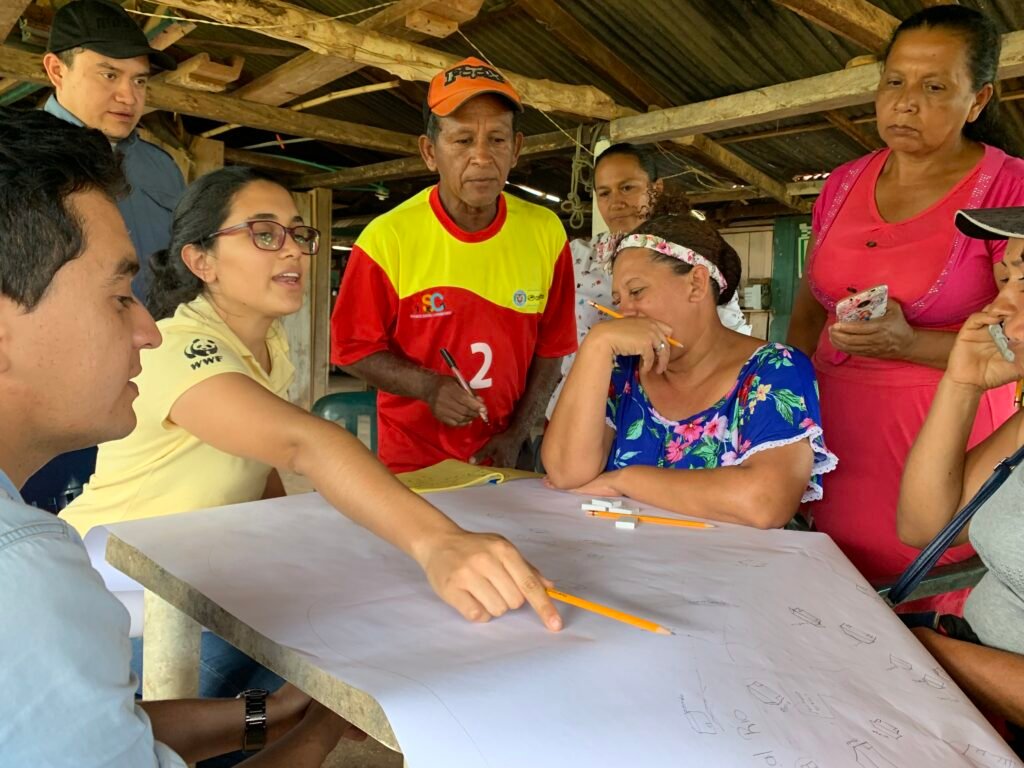
- Methodological Tools for Understanding the Farm and the Territory
10 methodological tool sheets designed to help families and technical teams conduct a collective analysis of the territory and the farm in order to understand the relationships between environmental, productive, social, and cultural factors. Together, these tools make it possible to gather key information about the farm, the family, and the local area, as well as to identify socio-environmental dynamics, conflicts, and opportunities.
- Climate Characterization.
- Characterization of agroecosystems.
- Characterization of reference systems.
- Collective social mapping.
- Social mapping of the farm.
- General Characterization Survey.
- Interview on family history and perceptions.
- Community Timeline.
- Stressors and limiting factors.
- Georeferencing the property.
- Fact Sheets on Conservation, Restoration, and Well-Being
After the planning phase, families work with the technical team to define the implementation of the management strategies—which are the specific actions for biodiversity management, ecological restoration, and the improvement of living conditions. There are 11 fact sheets on possible treatments, describing alternatives such as soil restoration and agroecological management, agroecosystem diversification, connectivity corridors, water harvesting and distribution, sustainable management of agri-food systems, rehabilitation plots, vegetation enrichment, post-harvest wastewater management, management and conservation of native bees, and actions to improve living conditions. Each fact sheet clearly presents:
- What the treatment involves.
- Its environmental, social, and economic benefits.
- The minimum requirements for its implementation.
- Step-by-step guidelines for getting started.
- Barriers, challenges, and suggested indicators for monitoring.
In this way, the fact sheets provide families and technical teams with practical guidelines for designing and implementing actions tailored to the characteristics of each farm and the surrounding area.
Download implementation tool sheets
- An Infographic to Help You Understand Farm Planning
In addition, the toolkit includes an infographic that visually explains what estate planning is, who is involved, and what its purpose is. This resource helps raise awareness of the process and facilitates opportunities for training and dialogue with communities.
Download the “Farm Planning Roadmap” infographic
Through the Farm Planning Guide for Biodiversity Conservation and Management, WWF Colombia contributes to the resilience of local communities, the conservation of biodiversity, and the strengthening of rural economies, recognizing that participatory planning is the path to building sustainable futures at the local level.
Download Recommended Plants for Restoration
This is one of the strategies that the “Protected Areas and Peace” project has supported to contribute to the conservation of protected areas in Colombia through local community governance, improving the quality of life for these communities and contributing to peacebuilding.
Original publication: https://www.wwf.org.co/?400802/planificacion-de-fincas-en-colombia