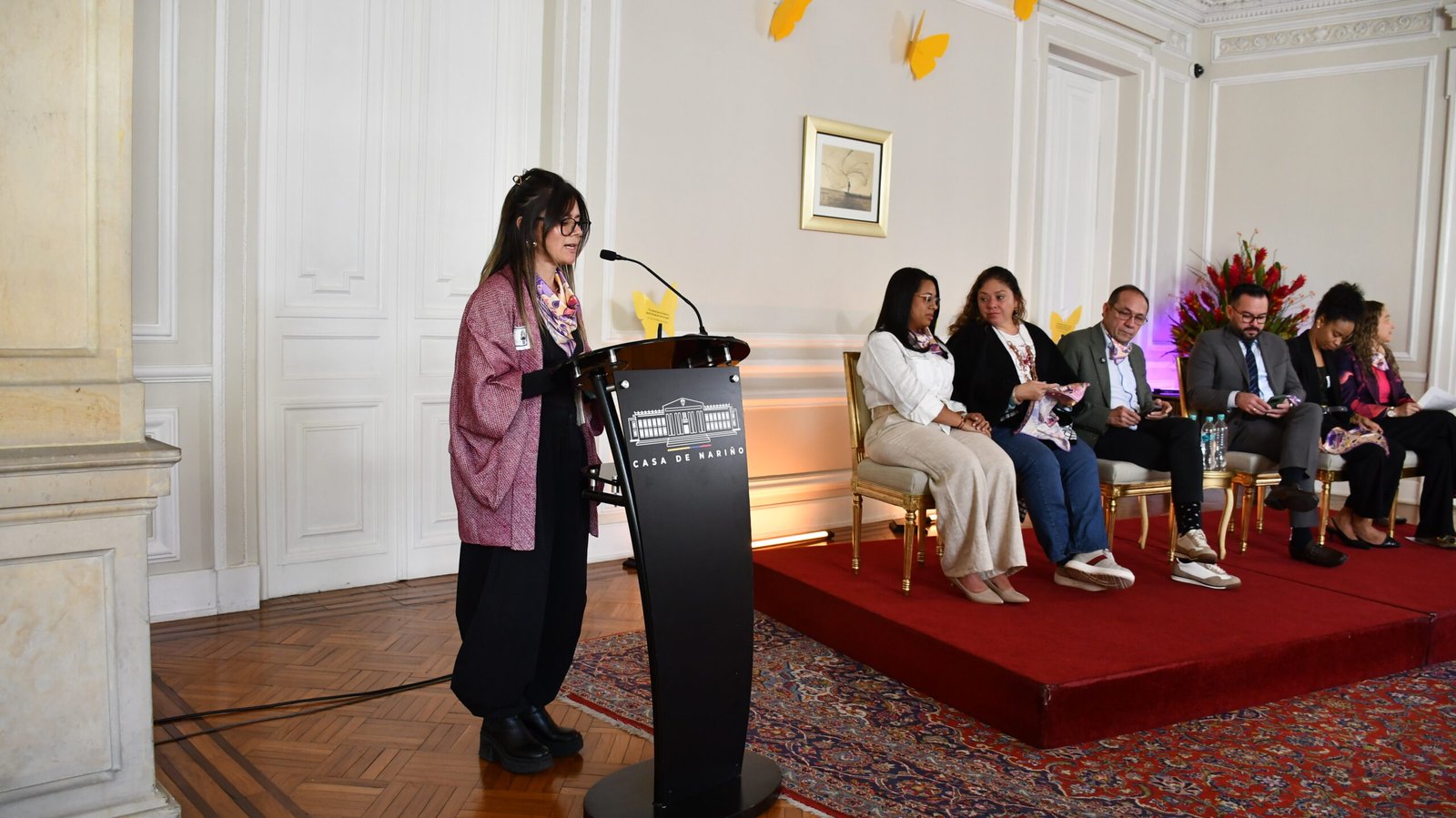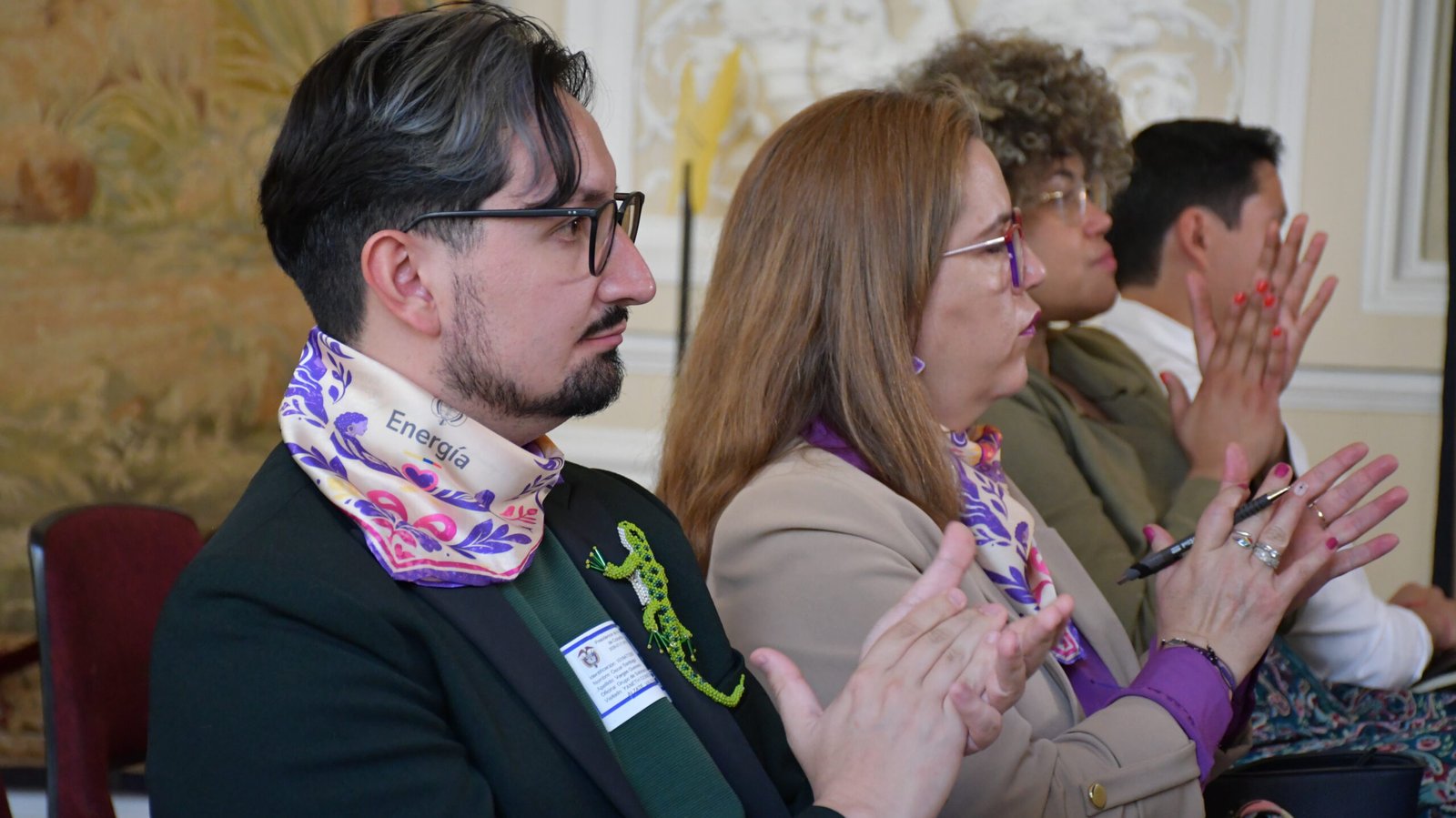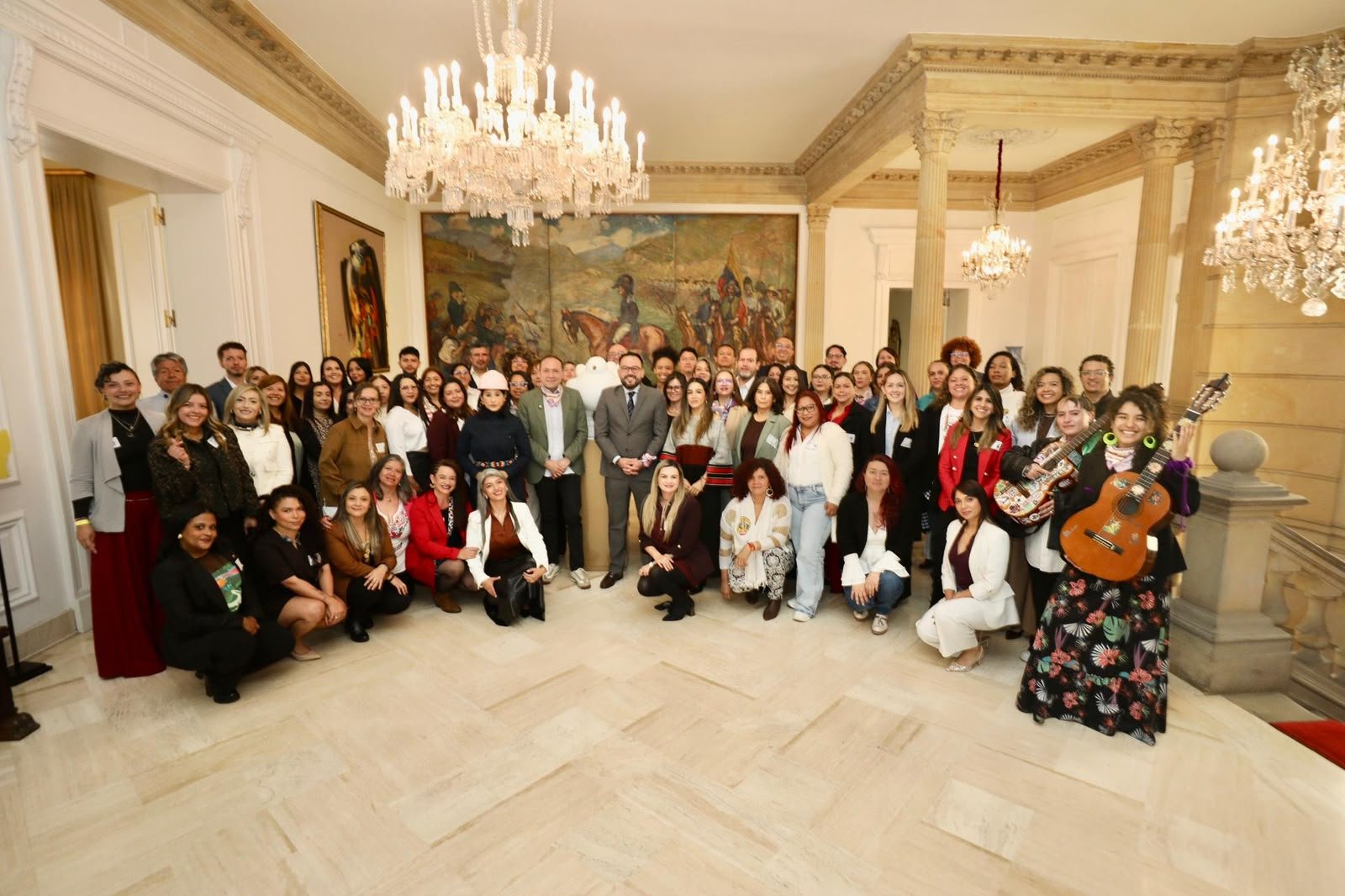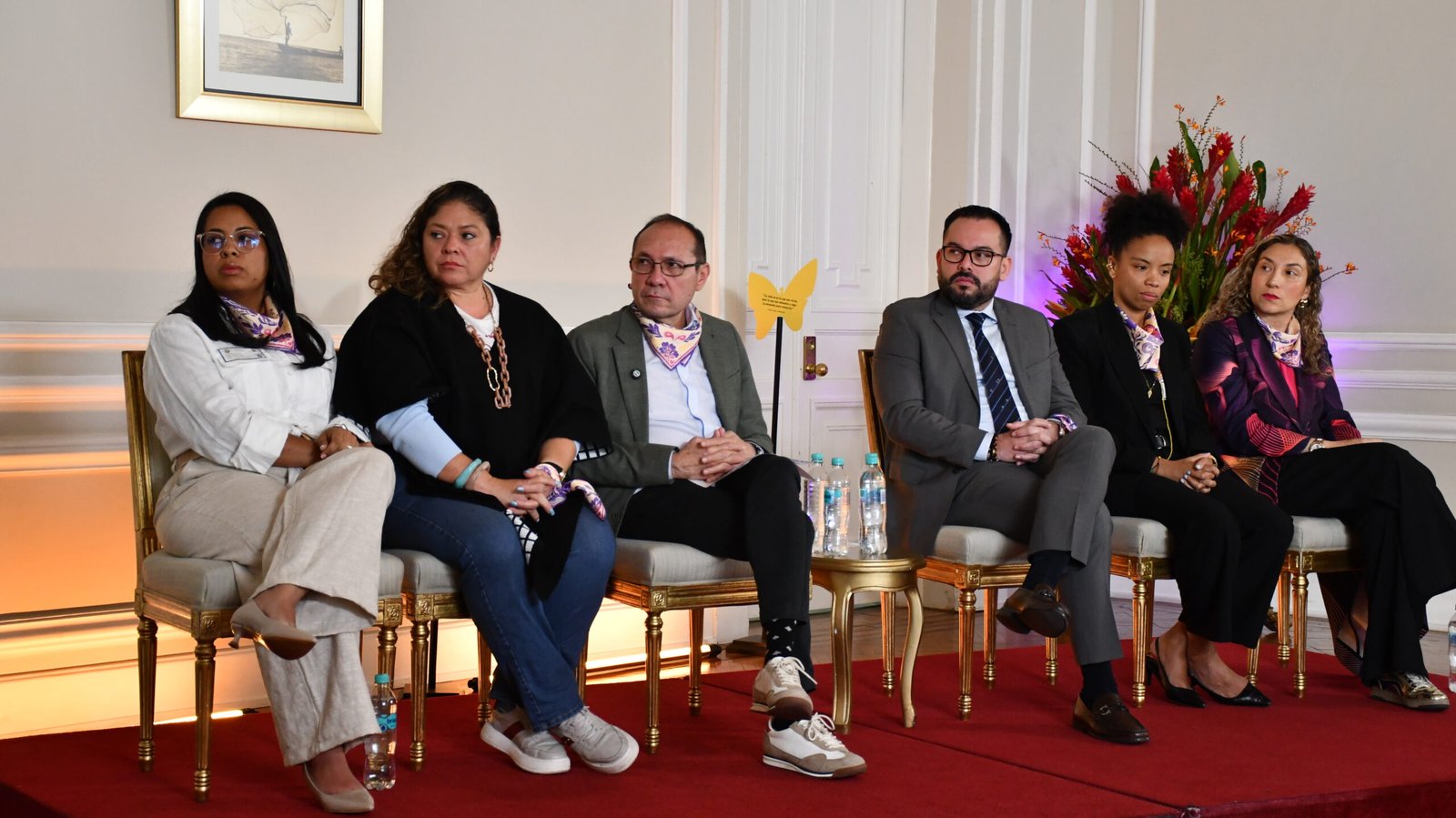
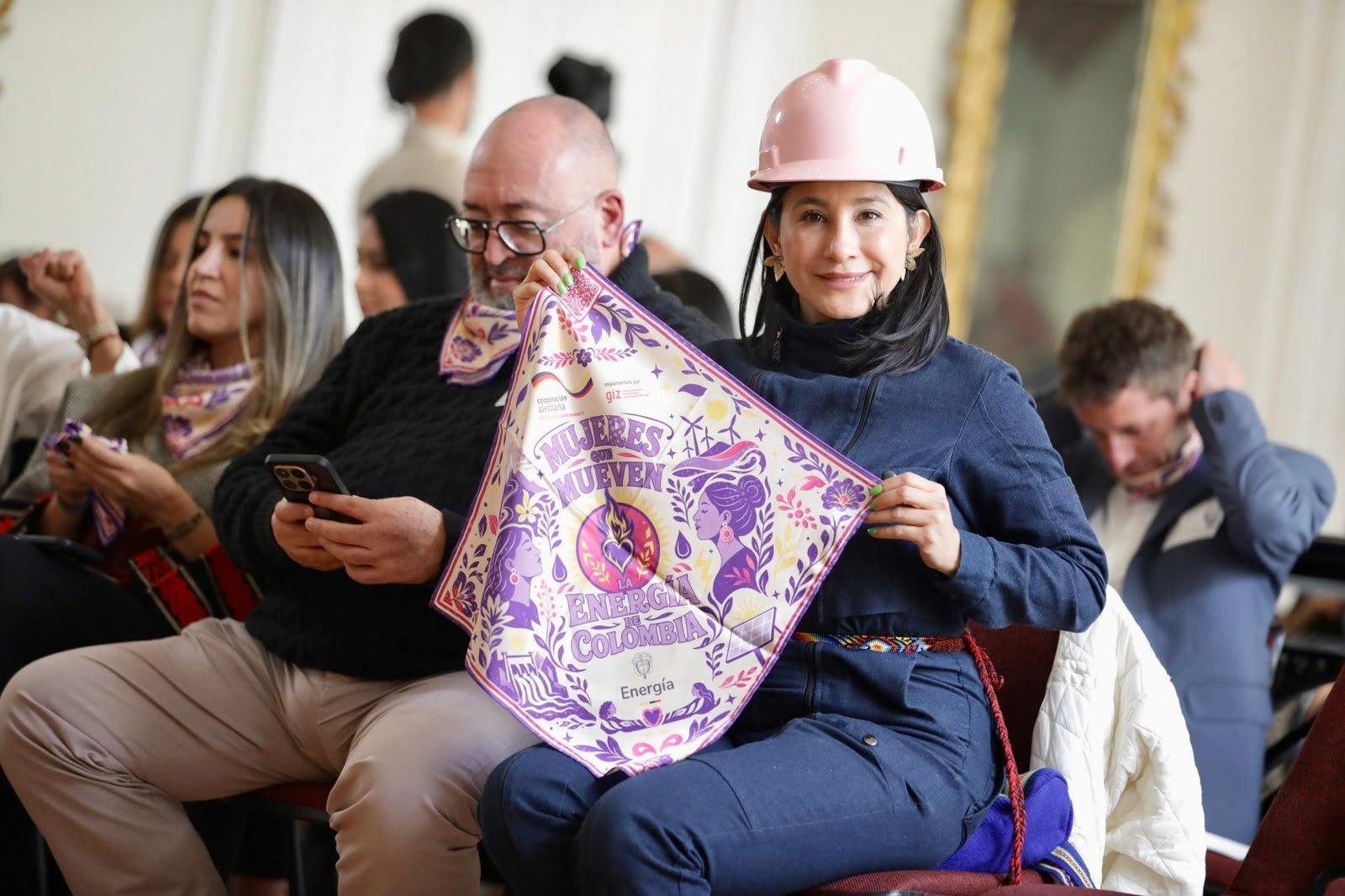
On July 21, 2026, Colombia’s Ministry of Mines and Energy launched the “Gender Equity Policy for the Mining and Energy Sector,” a milestone for women and LGBTIQ+ individuals working in a historically male-dominated environment. The policy was developed with technical support from the German Development Cooperation (GIZ), as part of the Alliance for Climate and a Just Energy Transition through the Interfaz IKI and SolER projects, with the goal of advancing toward a more inclusive and sustainable energy transition that recognizes the voices of women, LGBTIQ+ people, and local communities.
This policy addresses structural and historical disparities in the mining and energy sector, including the low representation of women and LGBTIQ+ individuals in decision-making roles, as well as inequalities in access to quality jobs and to economic and development opportunities arising from the energy transition.
A Roadmap to 2035
Among its main objectives, the policy seeks to improve working conditions to promote the hiring, retention, and promotion of women, and to encourage their effective representation in decision-making roles. It also seeks to strengthen institutional capacities to incorporate a gender perspective and help transform the stereotypes and barriers that have limited the participation of women and LGBTIQ+ individuals. In total, it outlines a roadmap through 2035 with 86 concrete actions.
In addition to supporting policy formulation, German Development Cooperation contributed to the drafting of a decree aimed at strengthening the implementation of the policy by entities within the energy sector. This support is key to ensuring that the policy does not remain merely a declaration of principles, but rather has a framework for action that promotes institutional responsibilities, implementation mechanisms, sectoral coordination, and monitoring tools.
GIZ’s support also helped align this policy with the commitments made by the Ministry of Mines and Energy under the Gender and Climate Change Action Plan. This alignment recognizes that climate action, the energy transition, and the protection of biodiversity require incorporating the voices, knowledge, and leadership of women and of ethnic, rural, and territorial communities.
Testimonials from the launch
“At German Development Cooperation, we are convinced that a just energy transition can only be achieved in partnership with women,“ said Marcela Rodríguez, gender advisor for the Interfaz IKI project.
For her part, Laura Cuesta, head of the gender team at the Ministry of Mines and Energy, highlighted the contribution of international cooperation to the process:
“I would like to thank the international community, particularly Germany, for its cooperation, as we have observed a high level of technical rigor, institutional commitment, and a willingness to engage in dialogue—all of which were demonstrated during the technical working groups focused on developing and implementing this policy’s action plan. Their valuable contributions have been essential to consolidating a strategic, solid, well-articulated, and transformative roadmap aimed at reducing gender gaps, guaranteeing rights, and strengthening equal opportunities in the sector.”
Next Steps
GIZ will support the implementation of the policy through actions in cities, energy efficiency initiatives, partnerships with private companies, institutional capacity building, and monitoring indicators.
With this policy, the Ministry of Mines and Energy is moving toward a just and inclusive energy transition that ensures the effective participation of women and LGBTIQ+ individuals, promotes equal opportunities, and fosters the development of a more inclusive, diverse, and sustainable sector.
View the policy here: Regulations