Colombia established an unprecedented training program for women leaders in climate action, biodiversity, and a just energy transition. The Regional Women’s Leadership Course: Promoting a Just, Inclusive, and Resilient Energy and Climate Transition in Latin America and the Caribbean brought together more than 35 women leaders from government, civil society, and local communities across three phases that combined in-person exchanges, virtual training, and a knowledge-sharing gathering in the field, held between October 2025 and July 2026.
This initiative strengthens women’s leadership to influence the climate, energy, and biodiversity agendas. Women are essential to community resilience, resource management, and innovative climate solutions, but they remain underrepresented in decision-making, access to opportunities, and strategic sectors for a just transition.
The initiative was launched by Germany’s Federal Ministry for the Environment, Climate Action, Nature Conservation, and Nuclear Safety (BMUKN) through the IKI Interface and Climate Diplomacy Action Program (CDAP) projects, in partnership with the United Nations Development Program (UNDP) and Colombia’s Ministries of Energy, Environment, and Foreign Affairs, within the framework of the Alliance for Climate and a Just Energy Transition between Germany and Colombia.
Three phases, one goal
This training and capacity-building process began in October 2025 with a three-day in-person meeting in Bogotá, where participants laid the groundwork for women’s leadership in the climate, energy, and biodiversity agendas, developed a shared vision, and began building a network of women committed to a just transition. The meeting also included women from Peru, Mexico, Brazil, and Costa Rica, expanding the initiative’s regional reach.
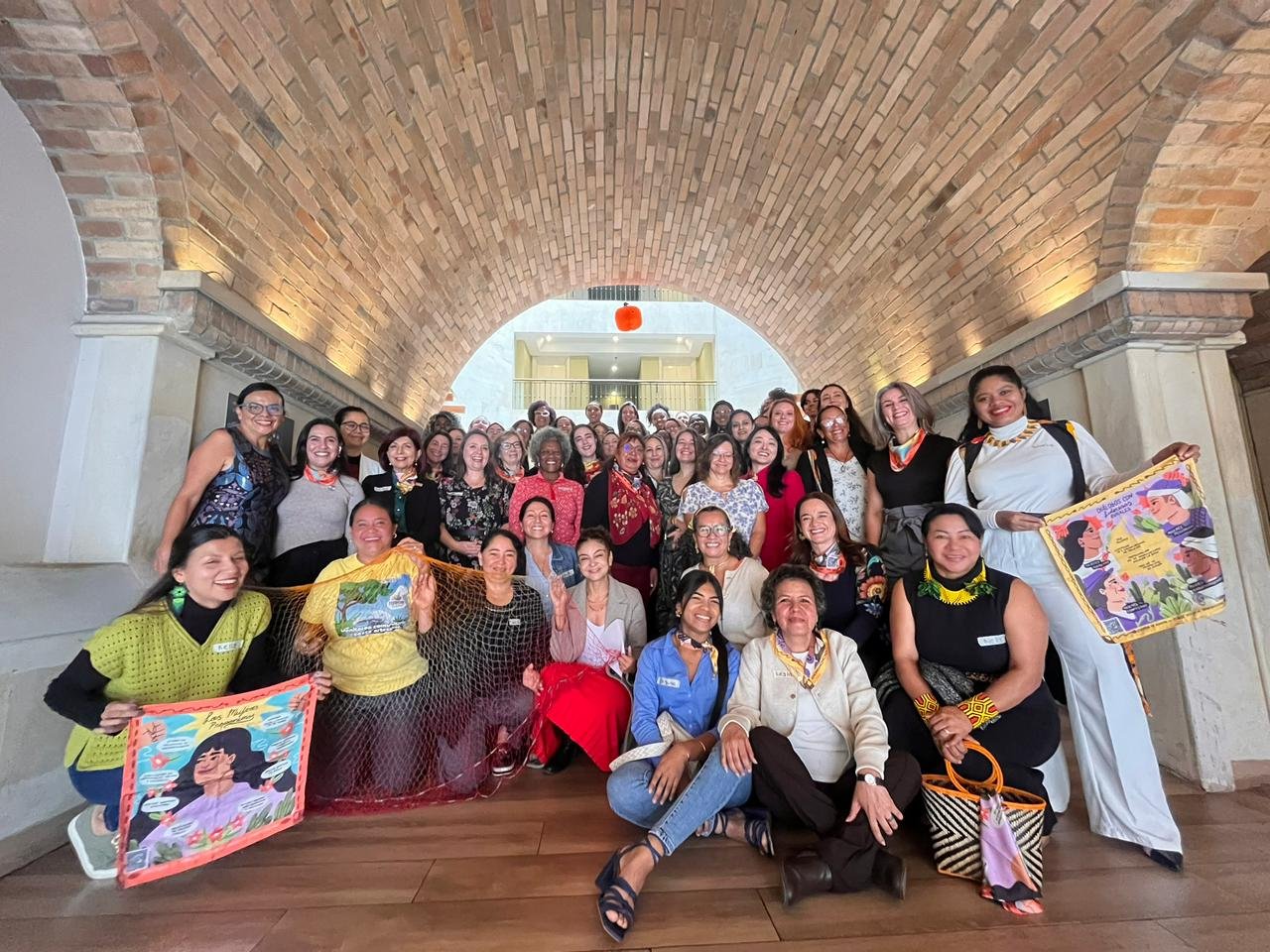
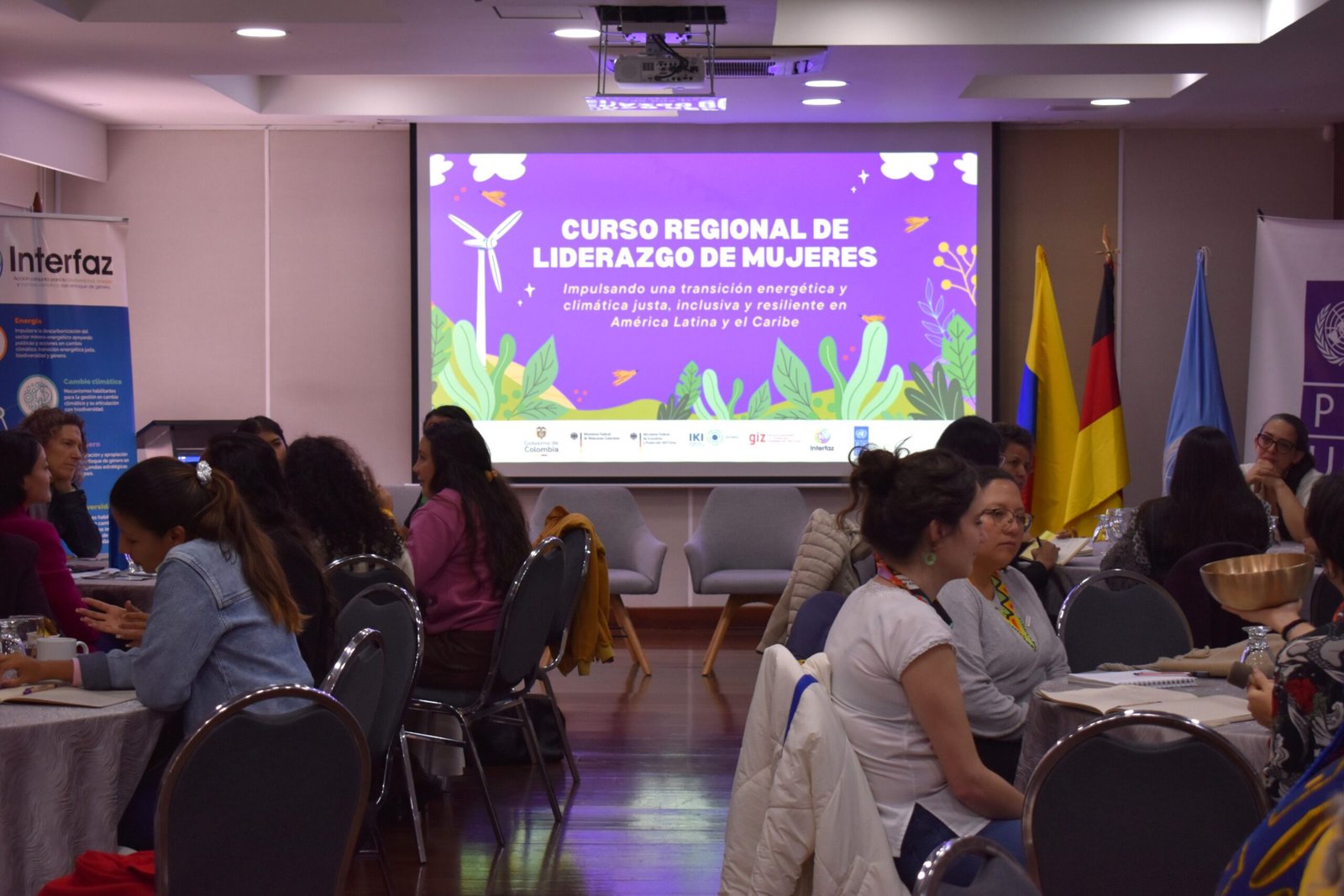
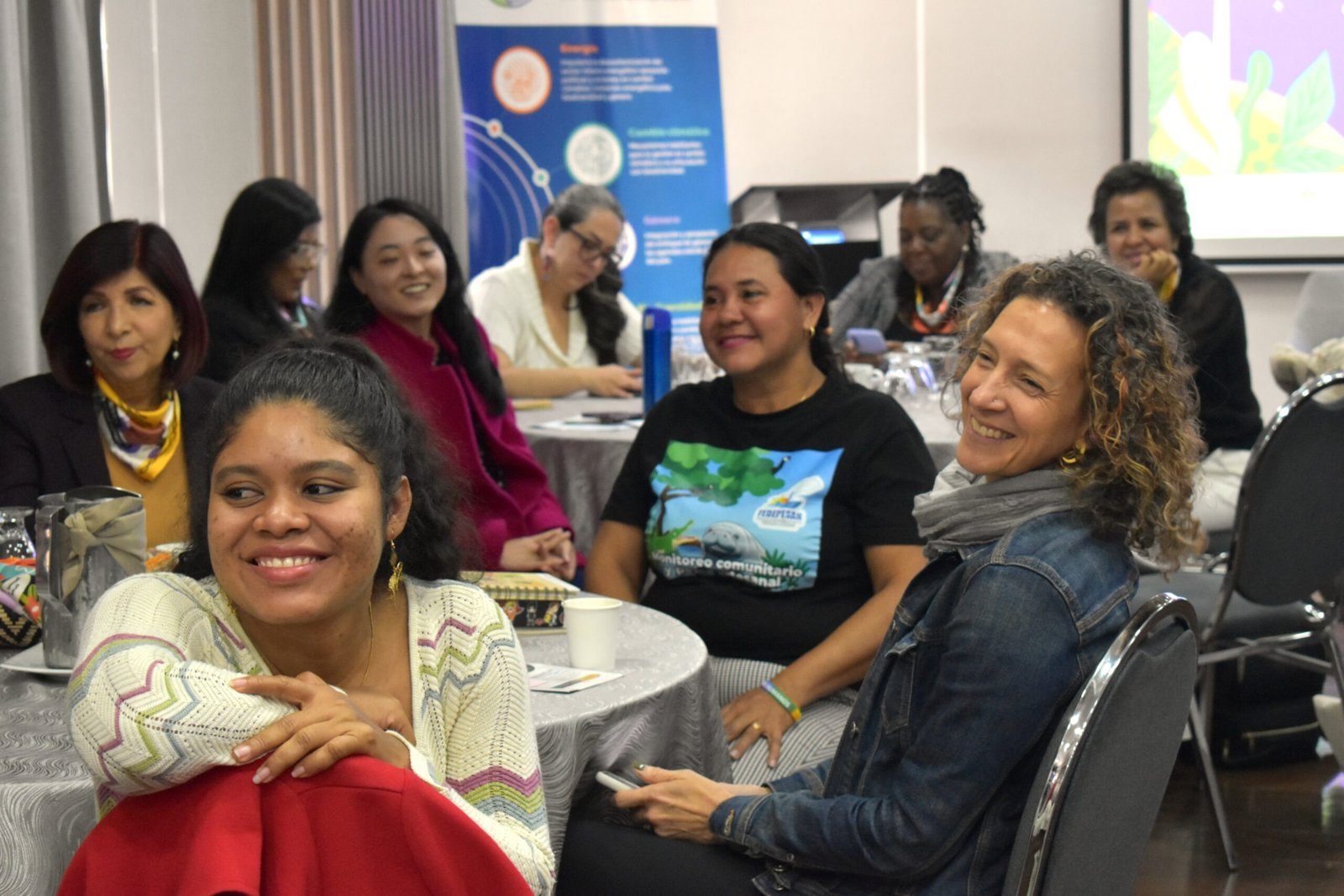
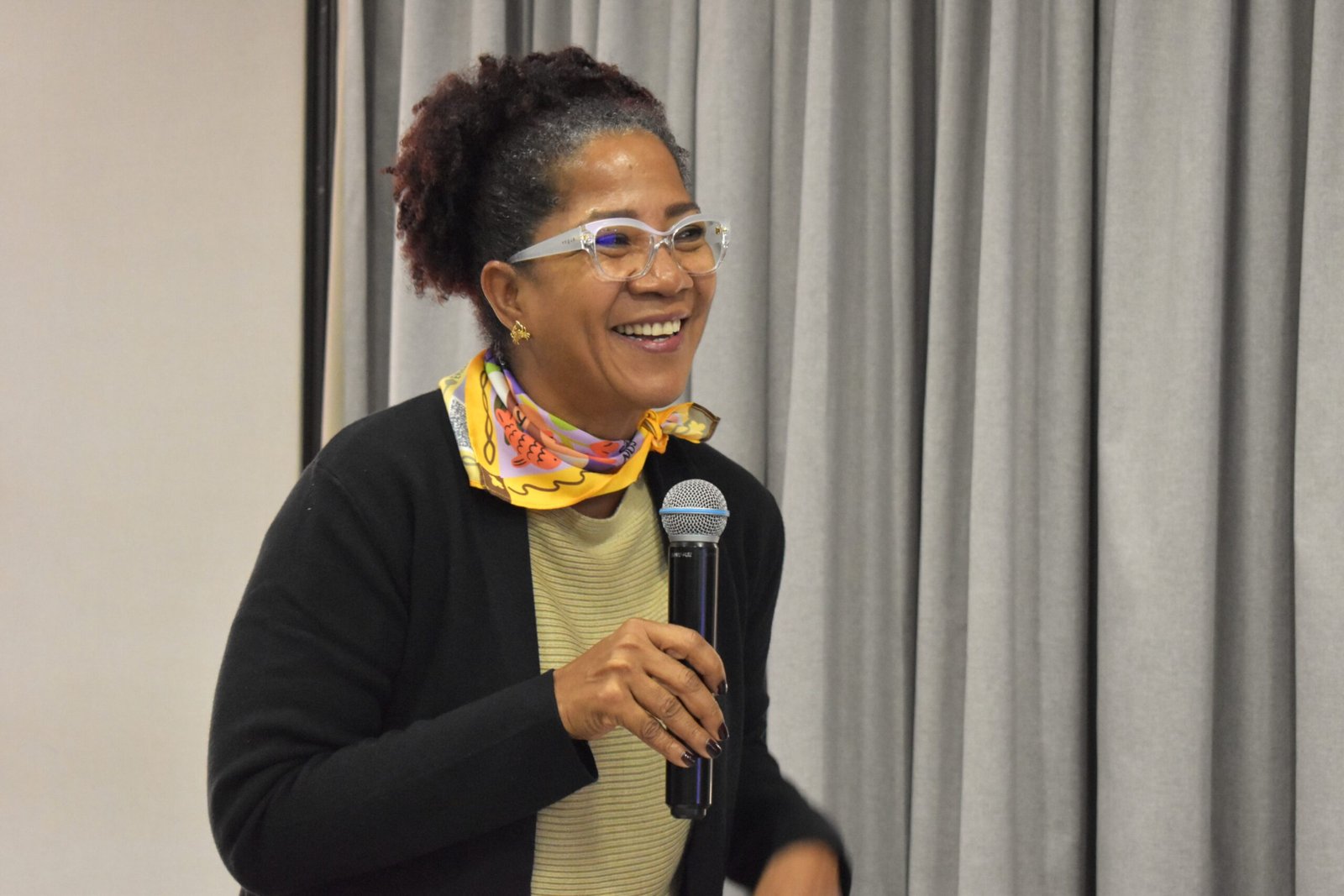
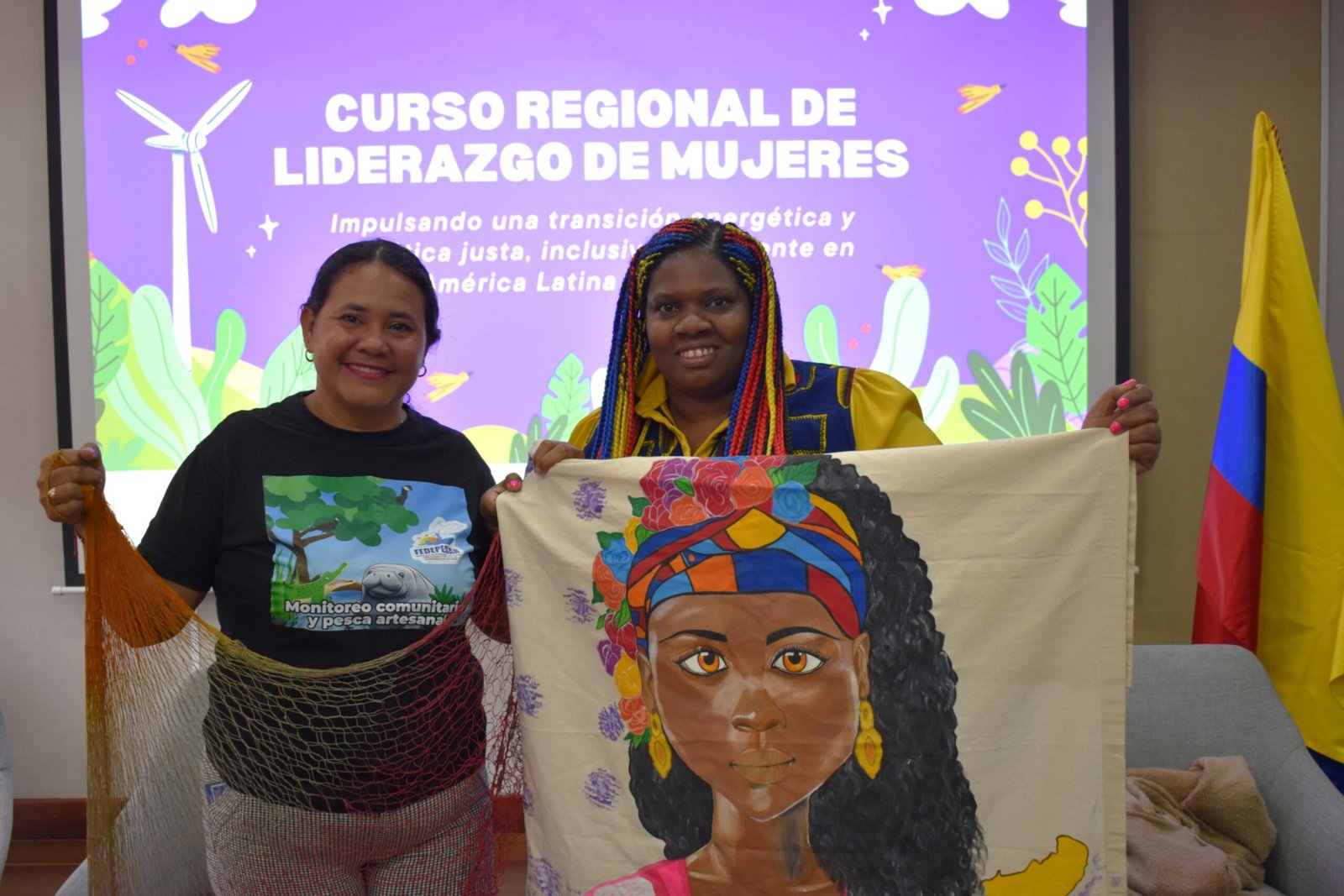
Regional Women’s Leadership Course – In-person session, October 2025, Bogotá
Subsequently, a six-week virtual training program allowed participants to deepen their learning through training modules and mentoring on biodiversity protection, climate action, a just energy transition, governance, environmental resilience, green jobs, and the sustainability of women-led initiatives.
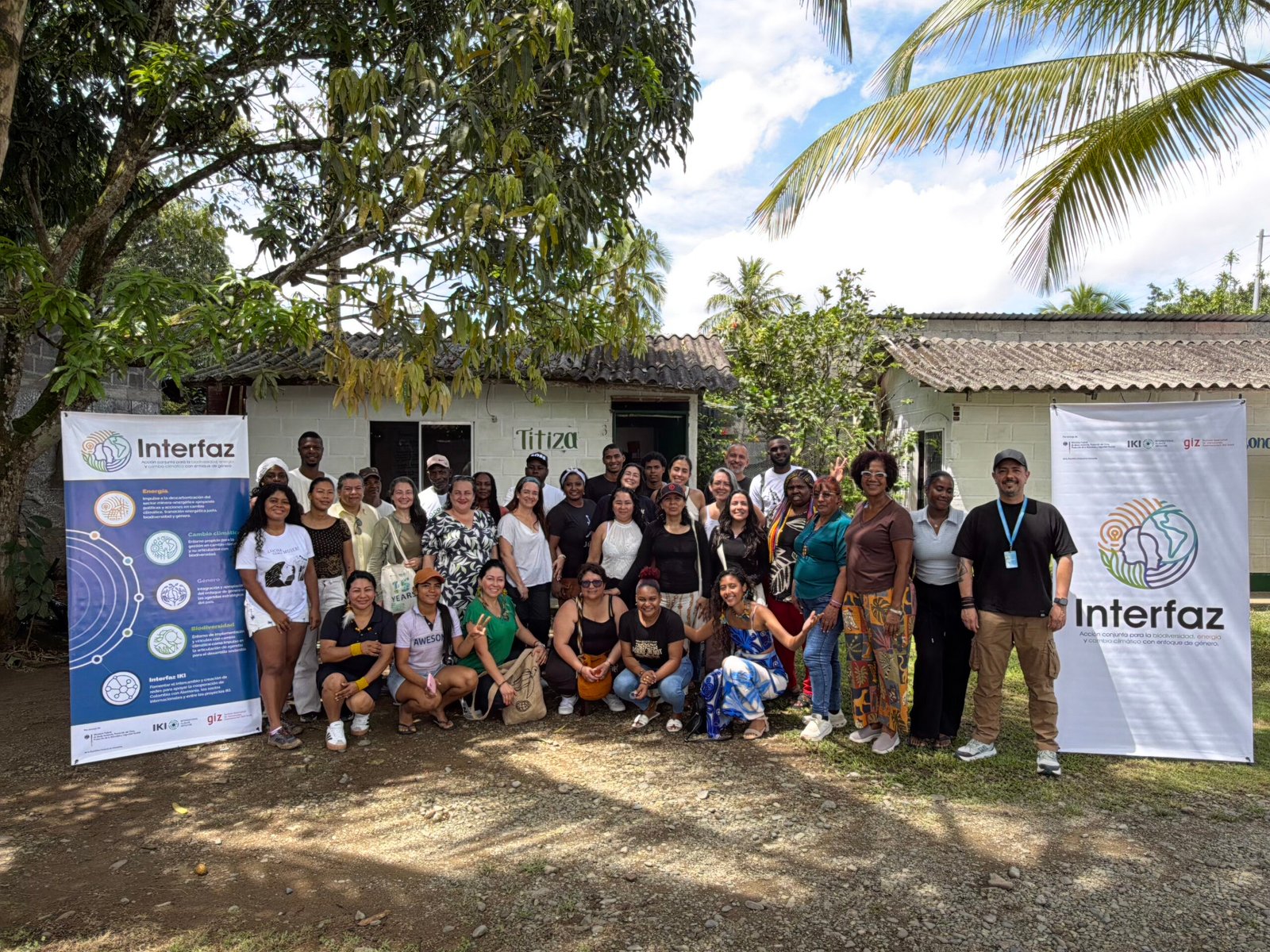
The course concluded with an in-person session as part of the Knowledge Exchange Meeting in Acandí, Chocó, from July 7 to 10, 2026. Over the course of four days, the participants took field trips, shared community experiences, and built collective knowledge on community monitoring, financial education, community communication, and territorial governance.
The COCOMASUR region was at the heart of this in-person closing event. Their work in conservation, environmental monitoring, sea turtle protection, and the creation of sustainable livelihoods demonstrated in practice what the course had proposed in theory: that climate action and biodiversity protection are more equitable, inclusive, and sustainable when women lead from within their own territories.
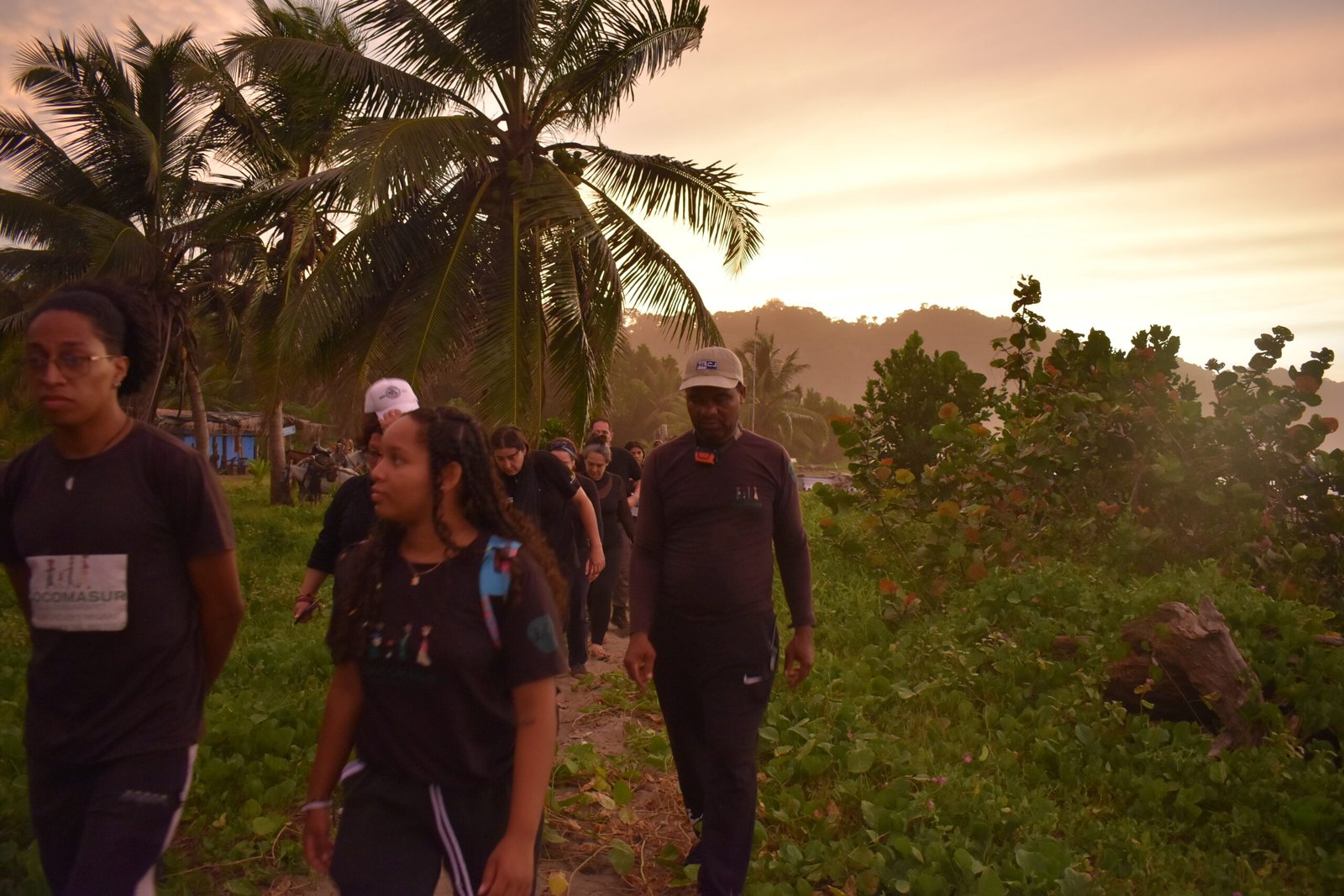
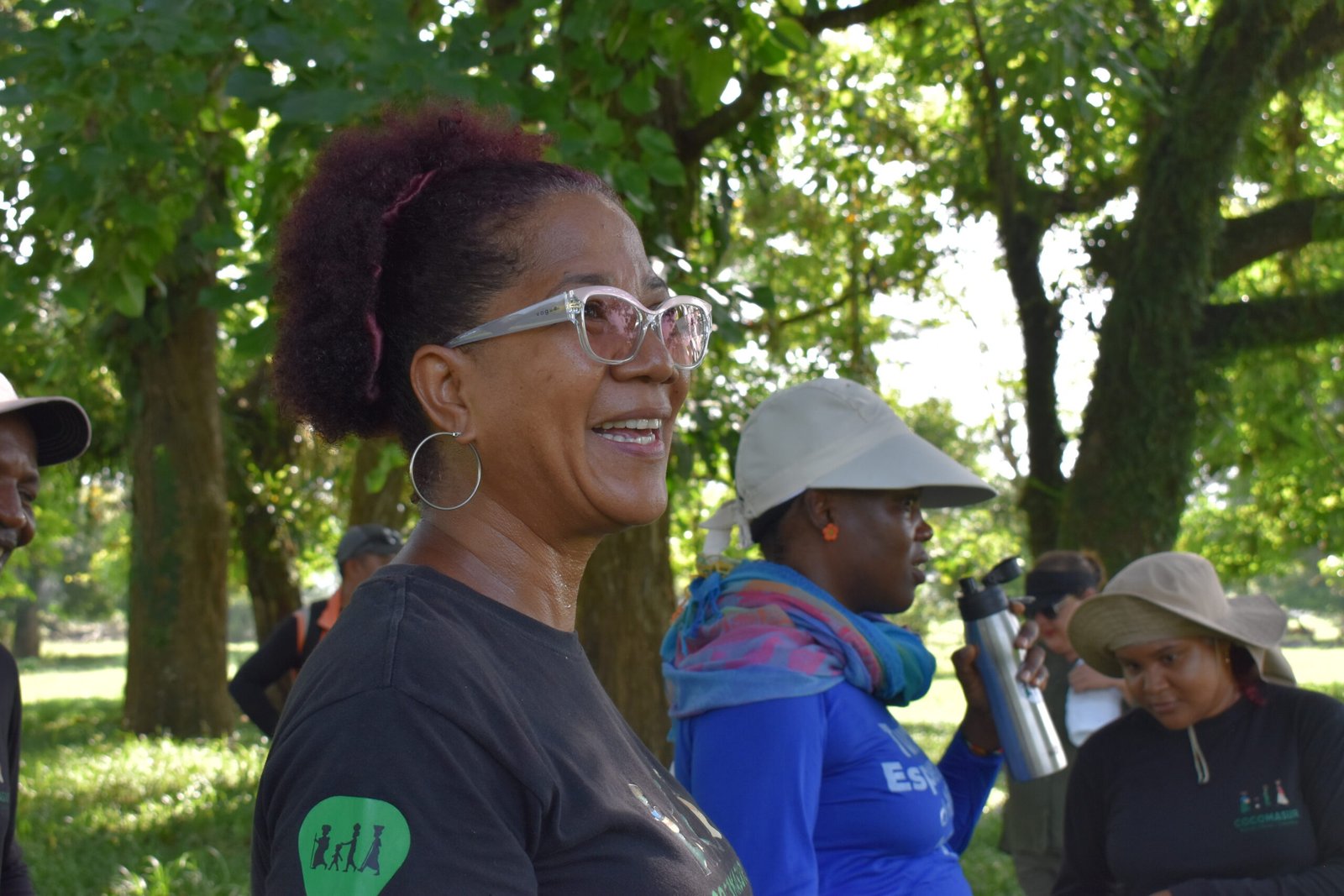
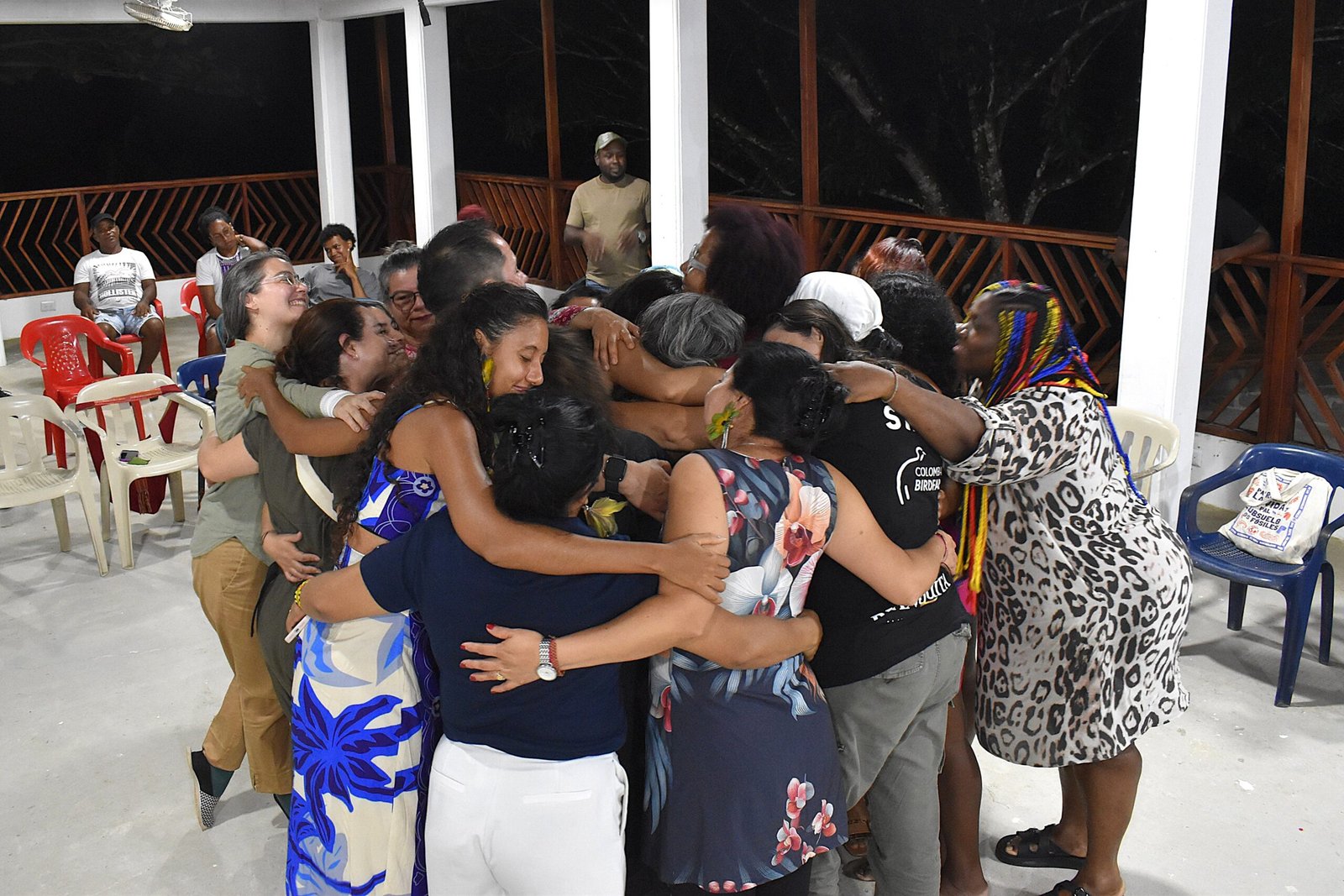
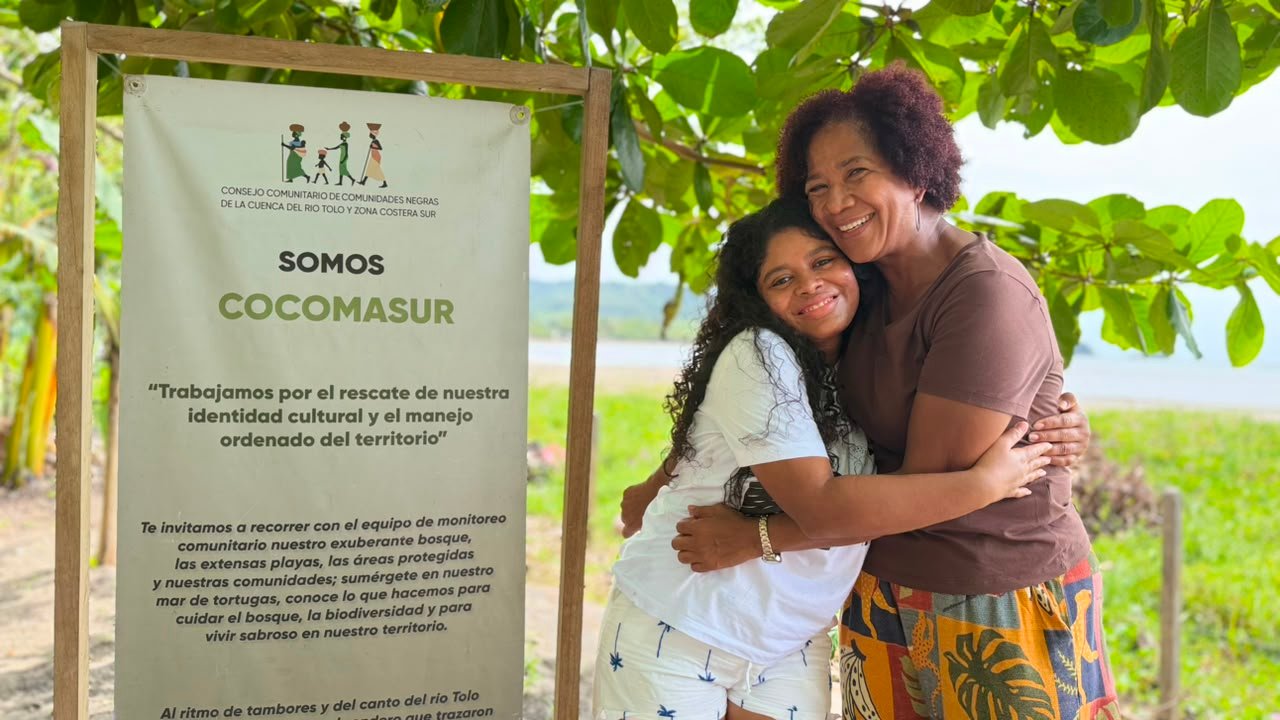
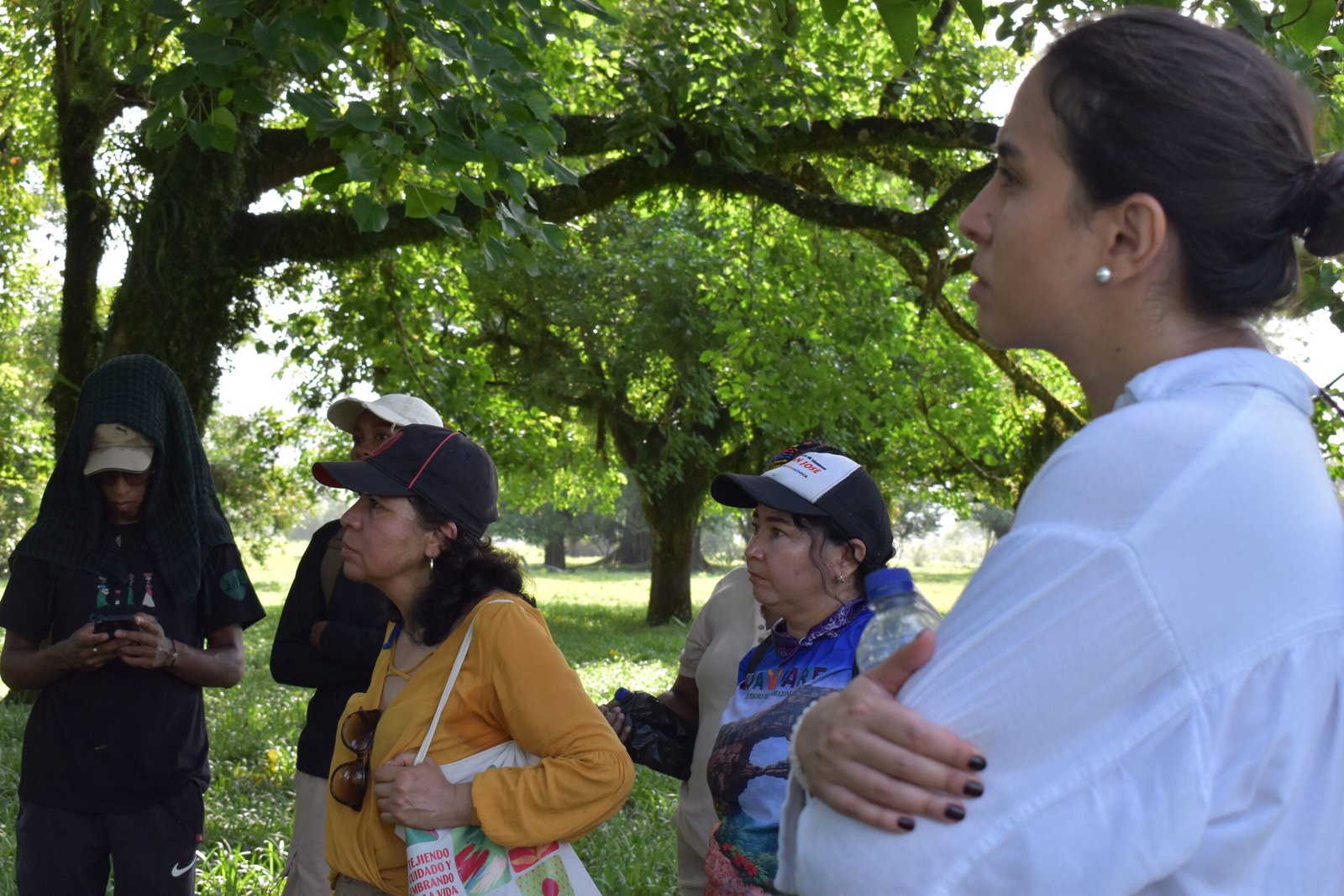
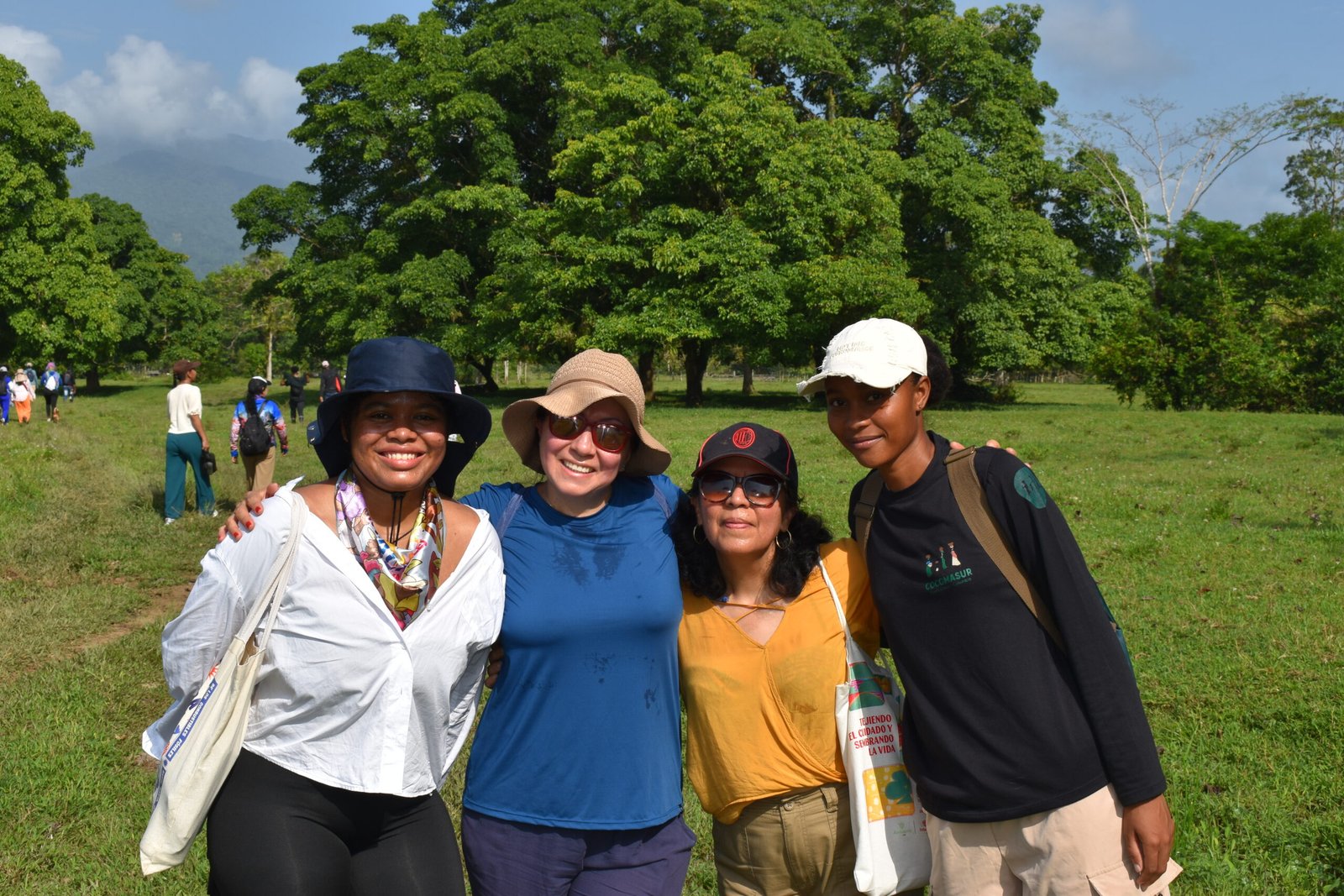
Knowledge Exchange Meeting, July 2026, Acandí, Chocó
As a result of this process, more than 35 women from various organizations and the national government strengthened their leadership and advocacy skills in the areas of energy, climate, and environmental transition, establishing a network that brings together experiences from different countries, sectors, and regions across Latin America and the Caribbean.
In addition, by the end of 2026, a second phase of this process will be underway in Mexico, which will allow for scaling up the methodology, strengthening the regional network, and deepening strategic content related to a just energy transition, the circular economy, human mobility, climate migration, sustainable livelihoods, the protection of migrant women, and transformative leadership.
This phase will involve the participation of the UNDP, the Government of Mexico, and German Development Cooperation within the framework of the Interfaz IKI projects in Mexico and Colombia, the program CDAP, as well as the participation of the International Organization for Migration (IOM), in coordination with relevant national and regional stakeholders.