The path toward decarbonizing the maritime sector in the region reached a key milestone late last year, when the Strategic Dialogue was established
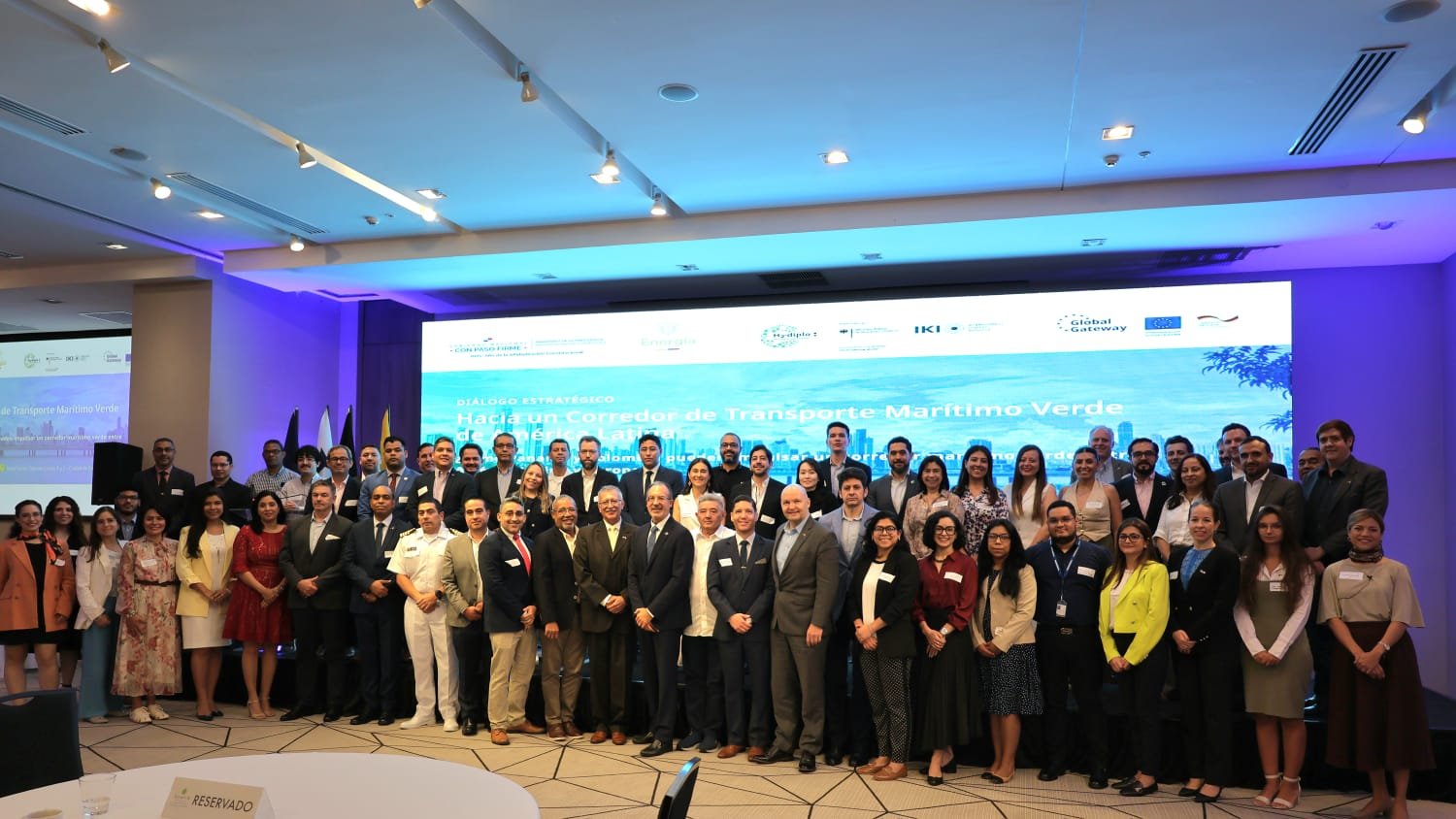
“Toward a Green Maritime Transport Corridor in Latin America”
“How Can Panama and Colombia Promote a Green Maritime Corridor Between Latin America and Europe?” organized by the International Climate Initiative (IKI) H2-diplo program in partnership with the Euroclima project. This event planted the seed for strategic international cooperation aimed at coordinating technical, regulatory, and commercial agendas to position Panama and Colombia as a logistics hub for clean fuels.
During April and May 2026, H2-diplo and Euroclima successfully brought together the public sector, the shipping industry, port authorities, and global experts to make the Green Maritime Corridor to the Port of Algeciras (Spain) a reality, as part of the Global Gateway strategy.
The deployment of H2-diplo played a leading role in three strategic scenarios:
First, as part of the High-Level Dialogue organized by the Rocky Mountain Institute (RMI) in partnership with GIZ, H2-diplo presented a proposal for a cost-benefit study on reducing greenhouse gas (GHG) emissions on Colombian freight routes to the EU.
Subsequently, the impact reached the trade association sector at the Ninth Congress on Ports, Logistics, and Free Trade Zones organized by the National Association of Colombian Business Leaders (ANDI), introducing solutions for decarbonization, diversification, and industrial restructuring in the port sector at the event for the first time.
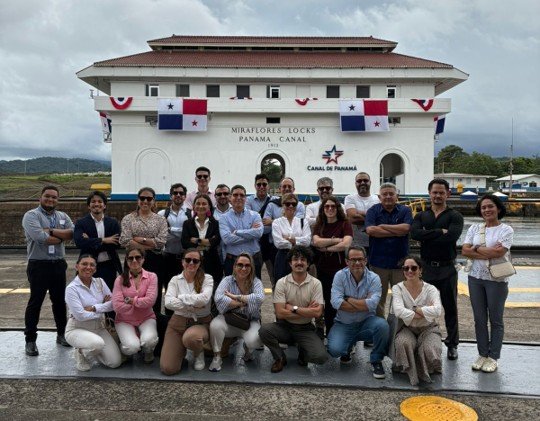
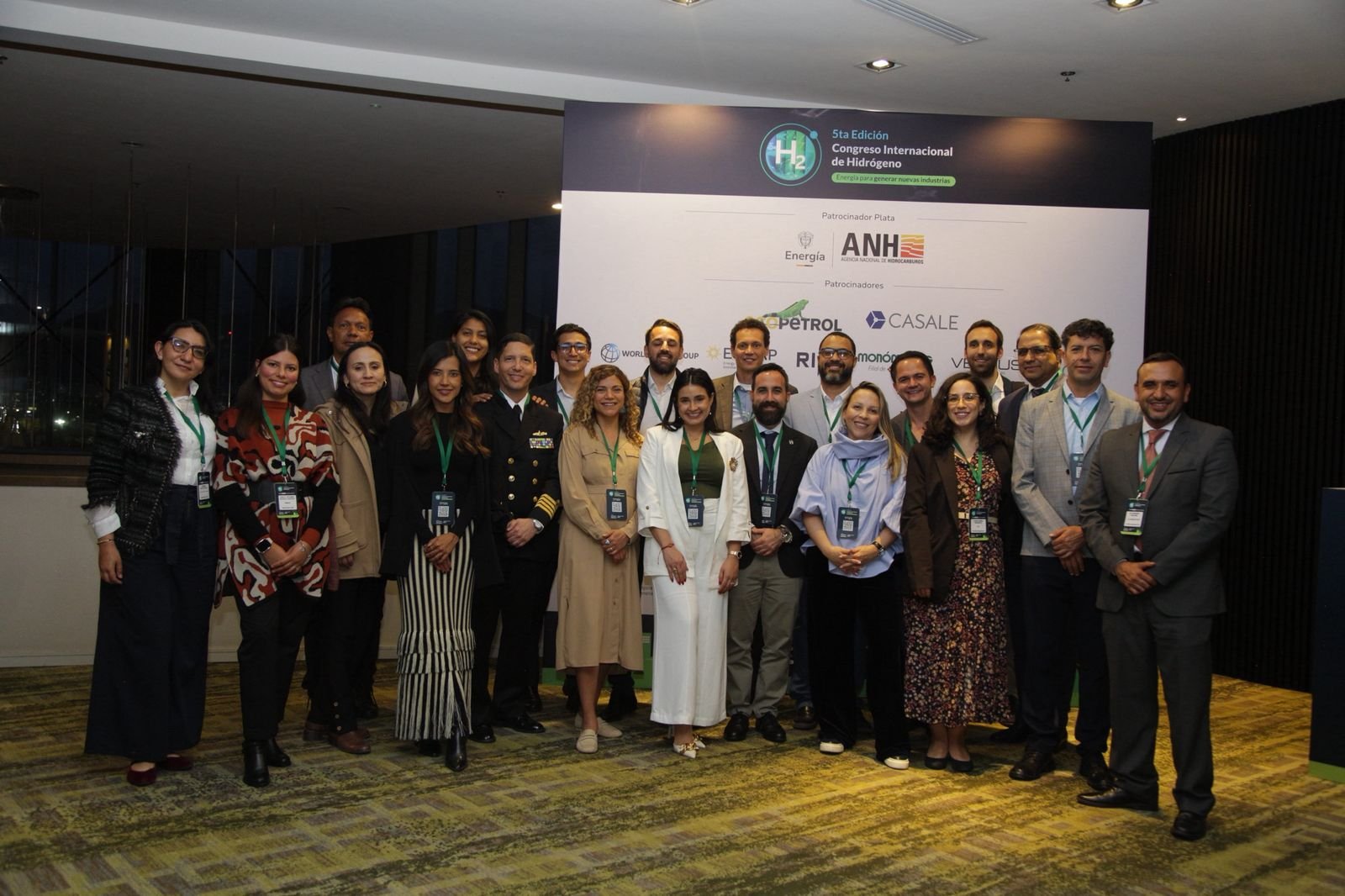
Finally, at the 5th International Hydrogen Congress (organized by the H2 Colombia Association and the World Energy Council) and its preparatory webinar, discussions on the green maritime corridor were explored in greater depth. There, the Panama Canal reaffirmed Colombia as an indispensable ally for the supply of green methanol and ammonia. Despite the progress and interest from giants like Hapag-Lloyd with its Ship Green initiative, H2-diplo and the technical working groups identified urgent challenges: mitigating legal uncertainty regarding concessions, ensuring sufficient port energy capacity, and accelerating institutional response in a market where dual-fuel ships are already operating without local refueling infrastructure. The coordination of the energy, export, and maritime sectors will determine the success of this transatlantic green route.