Colombia is moving towards a fairer and more inclusive biodiversity agenda by integrating a cross-cutting gender and intergenerational approach in the update of the Biodiversity Action Plan 2030 (BAP 2030). This approach considers both power relations and social roles between men and women, as well as the needs and rights of different generations: children, youth and the elderly. The process recognizes that biodiversity care is not possible without the active participation of women, children, adolescents and youth in all their diversity.
With the support of the IKI Interface Project, implemented by the German Development Cooperation – GIZ Colombia, and in coordination with the Ministry of Environment and Sustainable Development, tools and publications have been developed that show how these voices have contributed concretely to the construction of the PAB 2030 and to environmental decision-making in the country:
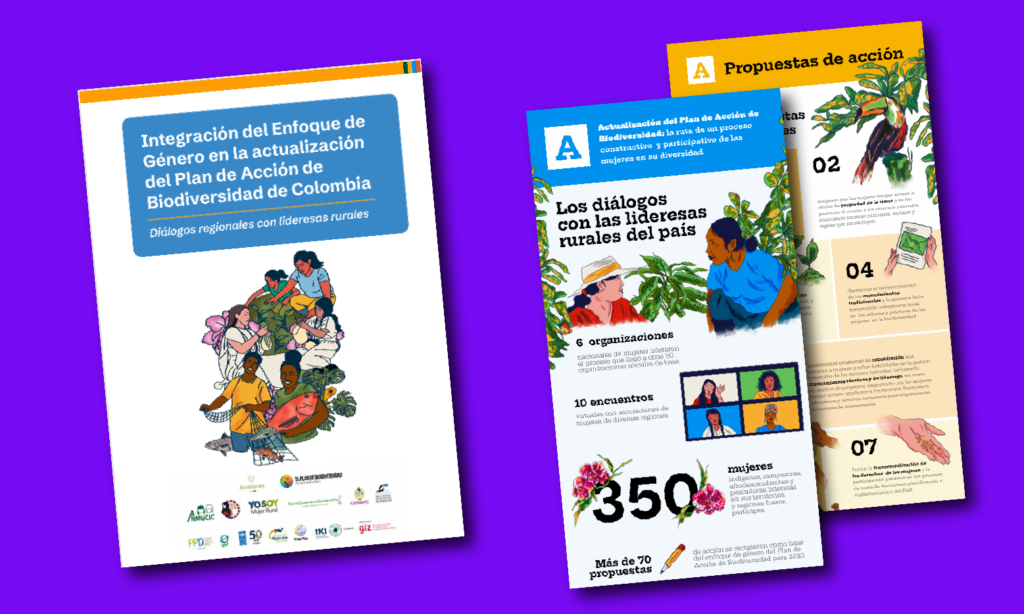
The document Integration of the gender approach in the update of Colombia’s Biodiversity Action Plan gathers the lessons learned from the regional dialogues with rural women leaders and women’s organizations, whose knowledge and territorial experiences strengthened the content of the Plan and its implementation. The process is also supported by pedagogical tools such as infographics and videos that summarize its main results. Consult here
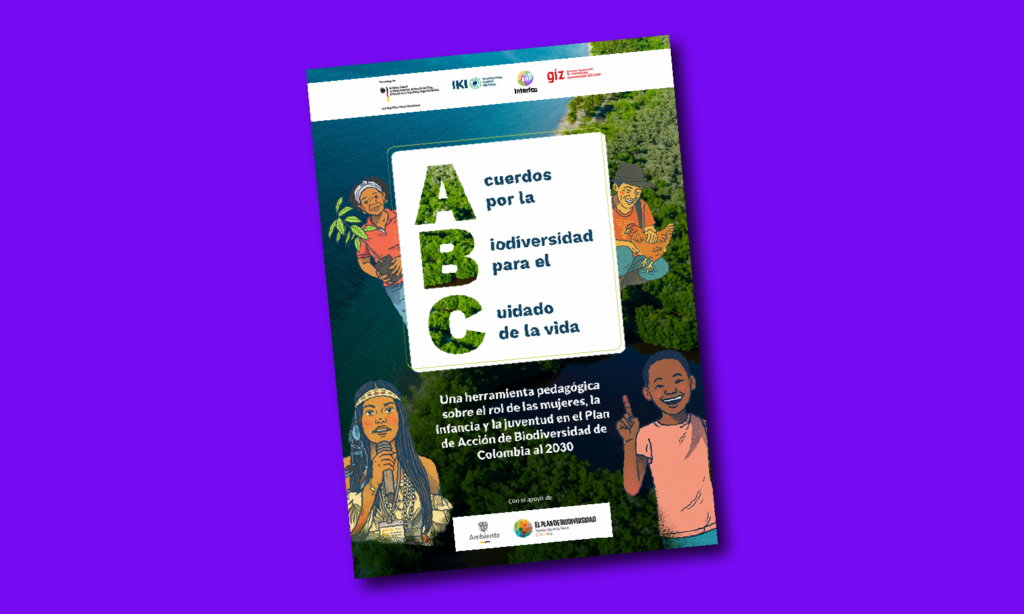
The ABC Guide: Biodiversity Agreements for the Care of Life explains in a clear and accessible way how the gender and intergenerational approaches are present in the BAP 2030, and how these agreements contribute to closing historical gaps in participation and access to biodiversity management. Consult here.
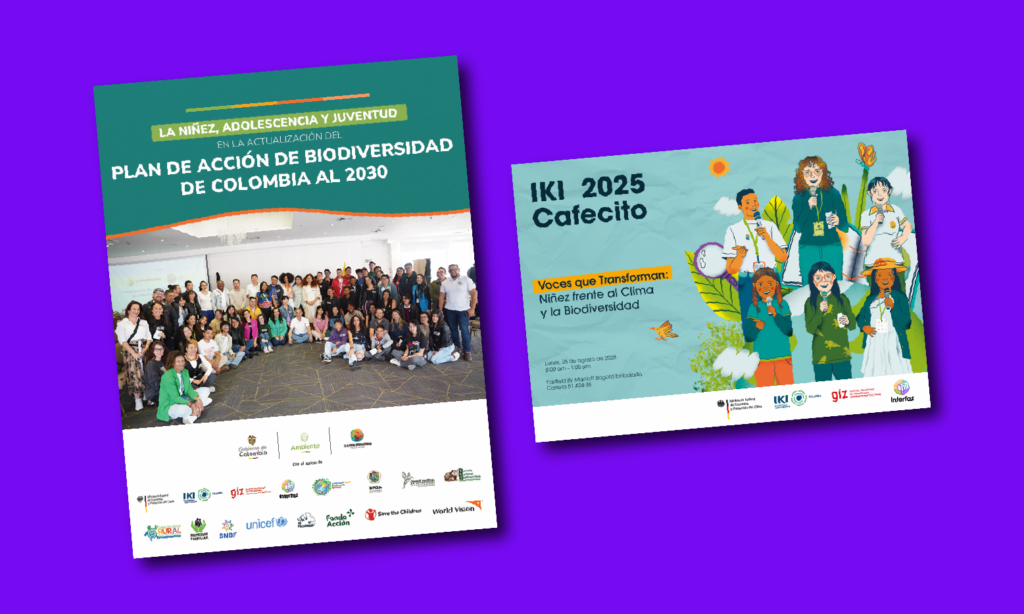
This effort is complemented by publications that highlight the transforming role of the new generations. The documents Voces que transforman: niñez frente al clima y la biodiversidad and La niñez, adolescencia y juventud en la actualización del Plan de Acción de Biodiversidad de Colombia al 2030 show how children, adolescents and young people contribute ideas, perspectives and key proposals to guarantee the care of biodiversity today and in the future.
Taken together, these tools reflect a change in the way environmental public policy is constructed in Colombia: a biodiversity understood from the perspective of caring for life, co-responsibility and the inclusion of those who have historically protected the territories.
Integrating the gender approach into the BAP 2030 not only strengthens nature conservation, but also contributes to a more equitable and sustainable society.