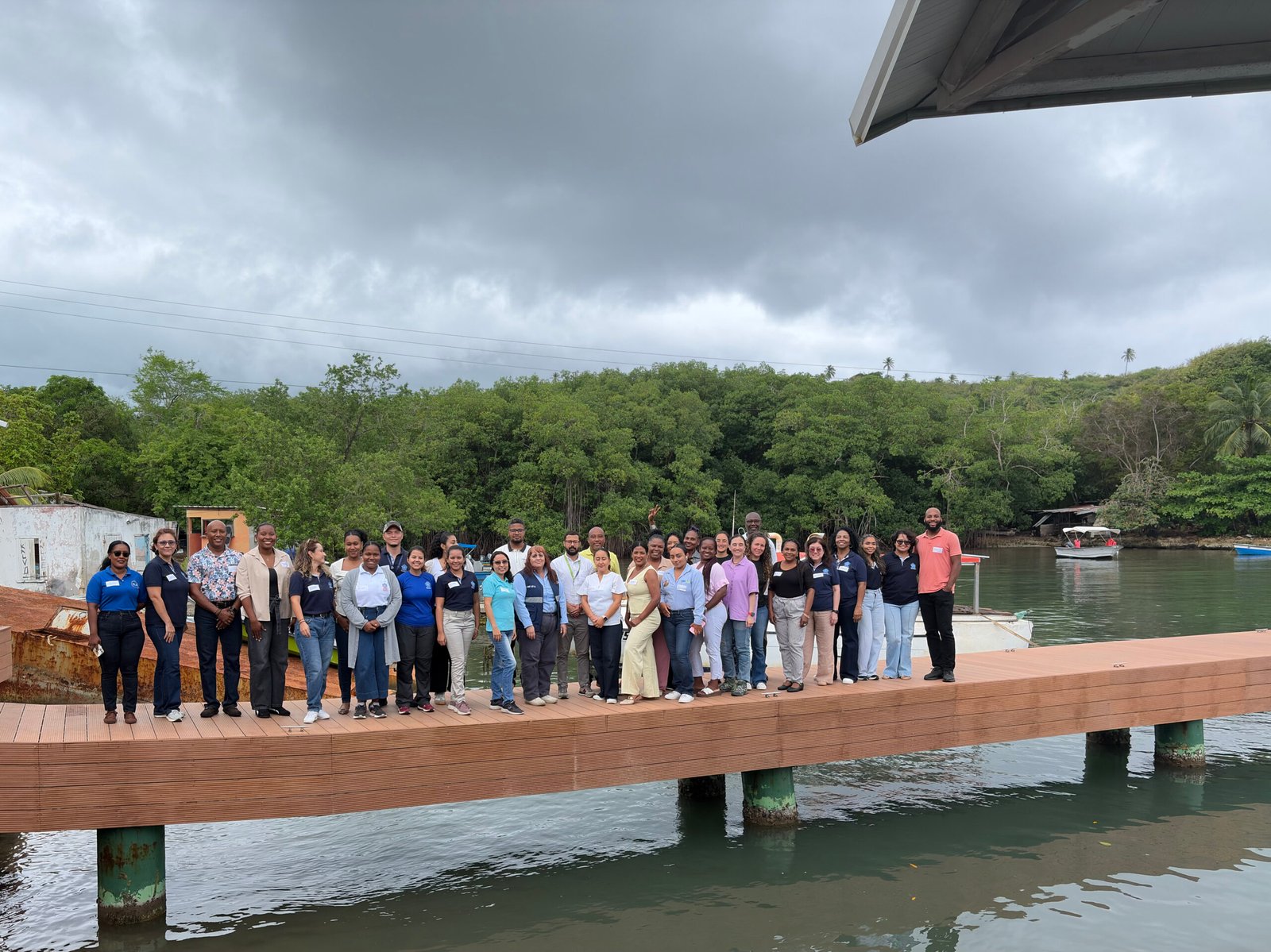
Institutions, organizations, academia, the fishing sector, startups, and communities across the archipelago gathered in July for the regional working groups of the project “From Roots to Tides: Resilient Ecosystems (DRM), held in San Andrés and Providencia, to monitor progress, strengthen the coordination of actions based on local needs, and advance the restoration of marine and coastal ecosystems.
These forums for dialogue, monitoring, and coordination drew broad participation from institutions, grassroots organizations, academia, the fishing sector, businesses, and communities involved in biodiversity conservation and climate change adaptation efforts in the archipelago.
These workshops provided an opportunity to collaboratively review the project’s progress, identify areas for improvement, and create new opportunities for coordination among local stakeholders. Furthermore, the meetings reaffirmed a shared vision among the various stakeholders: to work toward biodiversity conservation, climate change adaptation, and capacity building in local communities.
“De Raíces a Mareas” is currently transitioning from the characterization and assessment phase to the implementation phase, with mangrove restoration efforts underway in El Cove and Sound Bay, on Providencia, as well as progress related to seagrasses and strategies for community engagement, incentives, and education.
Participants included representatives from the Ministry of Environment and Sustainable Development, CORALINA, the Departmental Government, the Chamber of Commerce of San Andrés, Providencia, and Santa Catalina, the San Andrés Regional SENA, academia, grassroots organizations, the fishing sector, community action boards, startups, and community members, among other stakeholders.
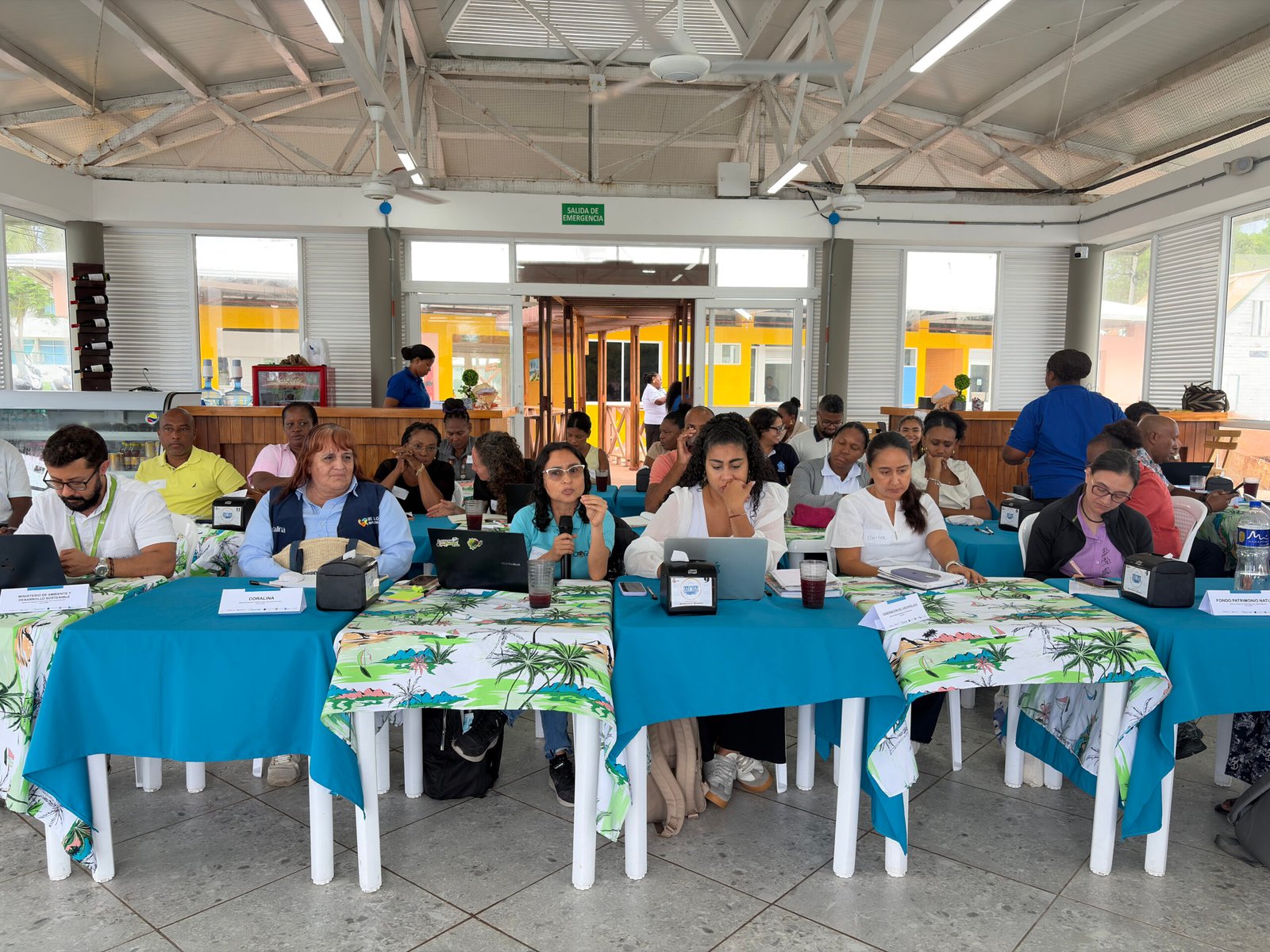
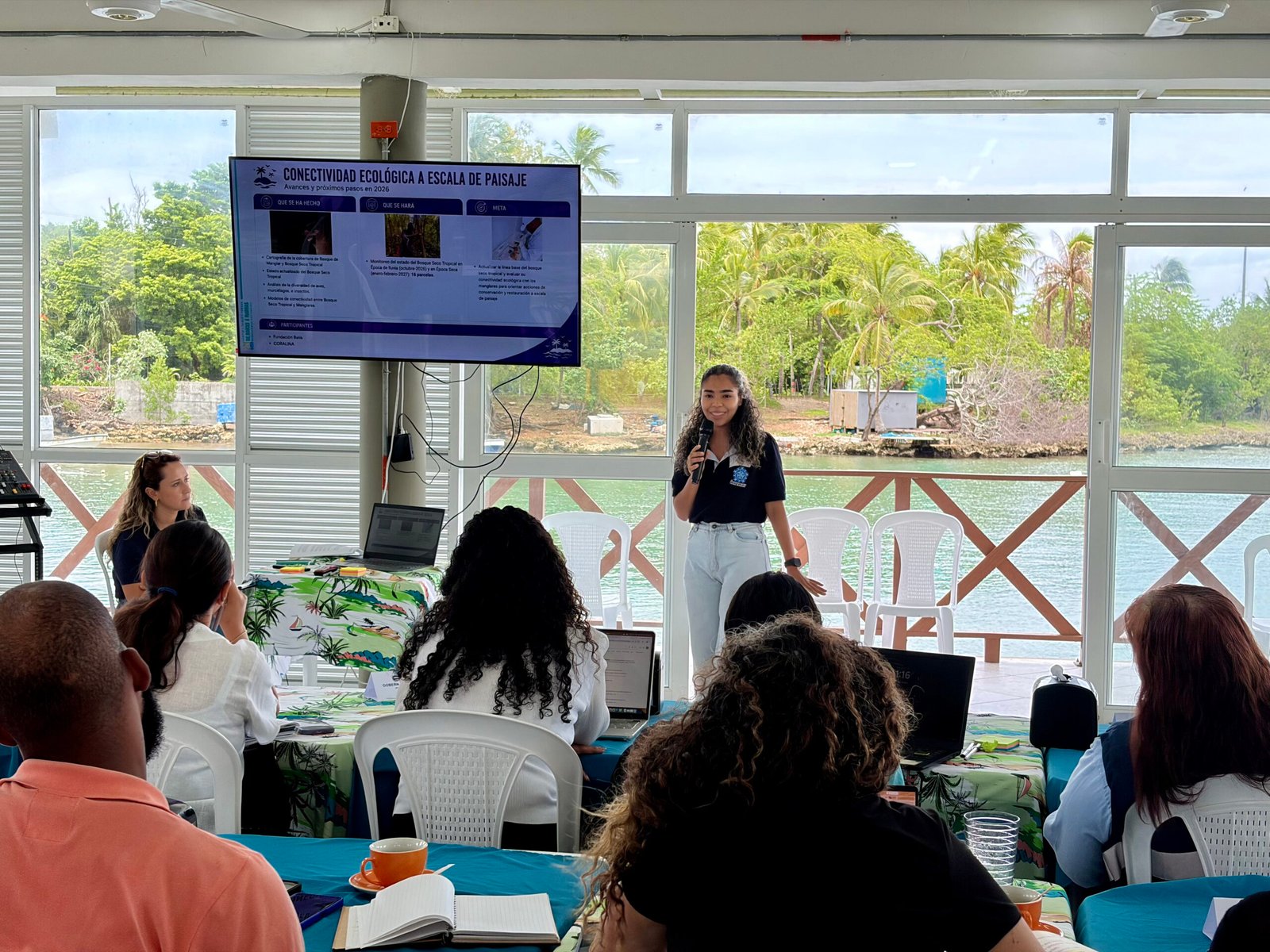
Photos by Arlete: Participants in the San Andrés Regional Committee
In addition, the event was supported by Fondo Patrimonio Natural, INVEMAR, and Forliance, organizations that are part of the consortium responsible for implementing the project.
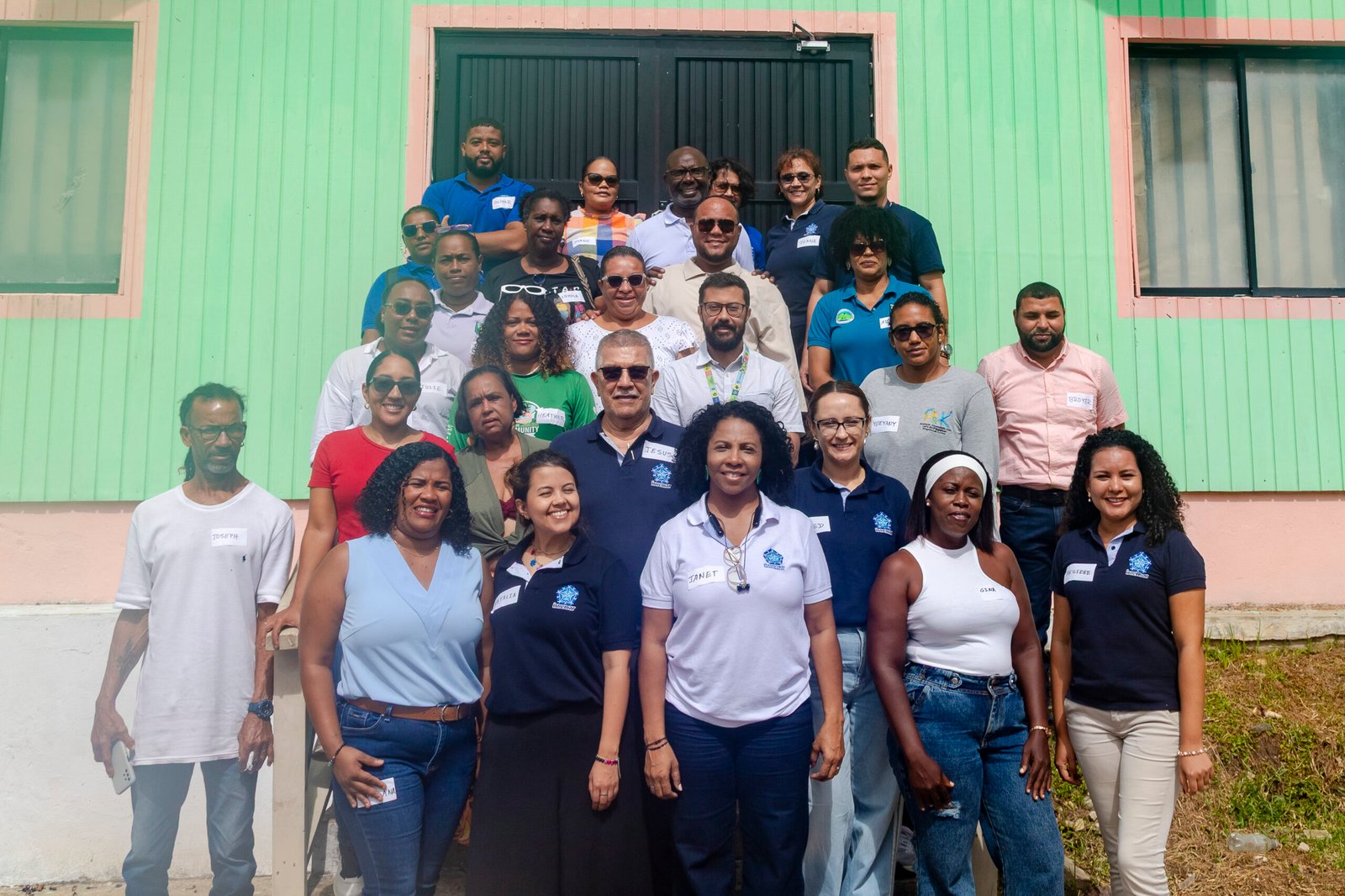
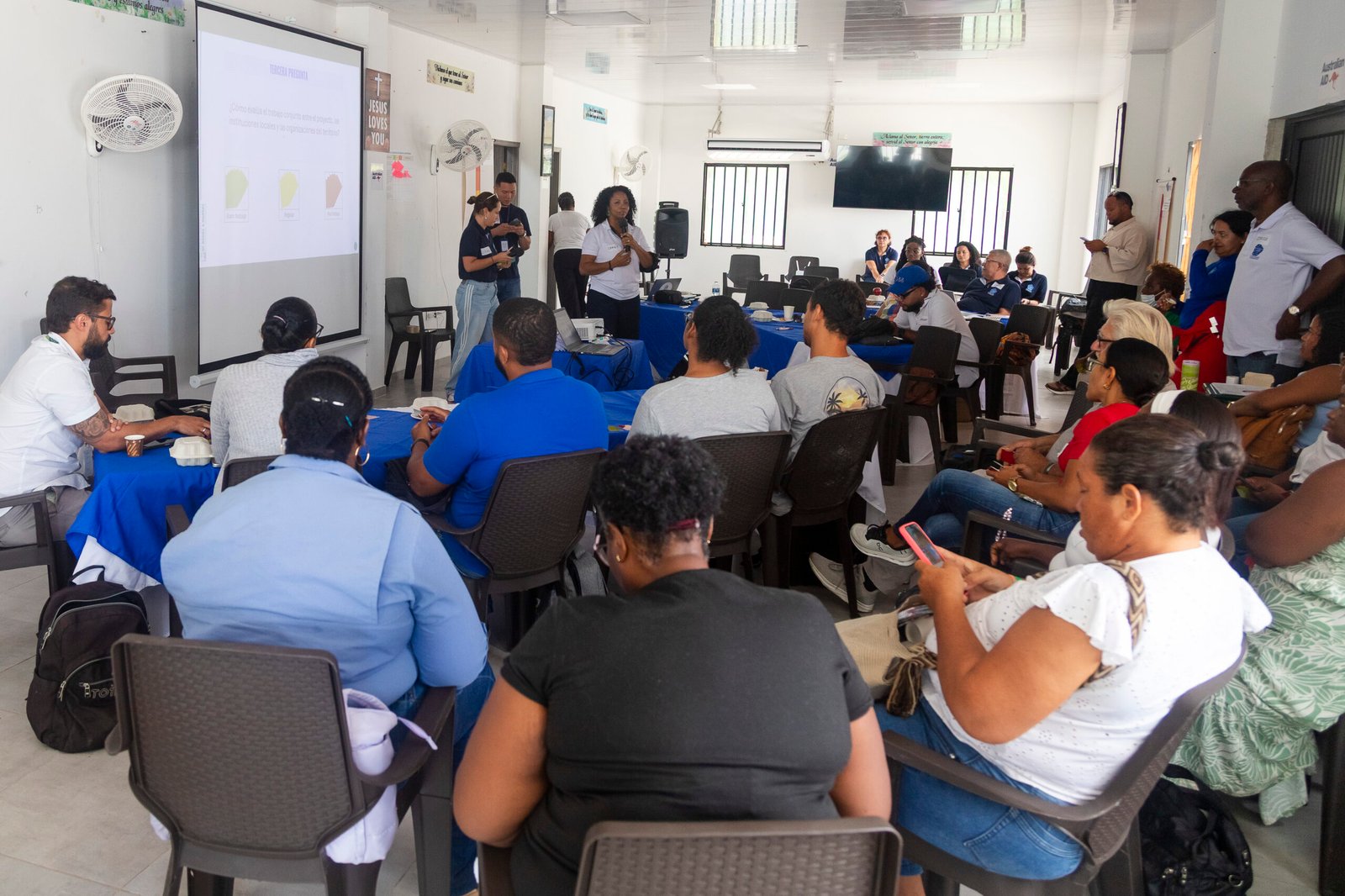
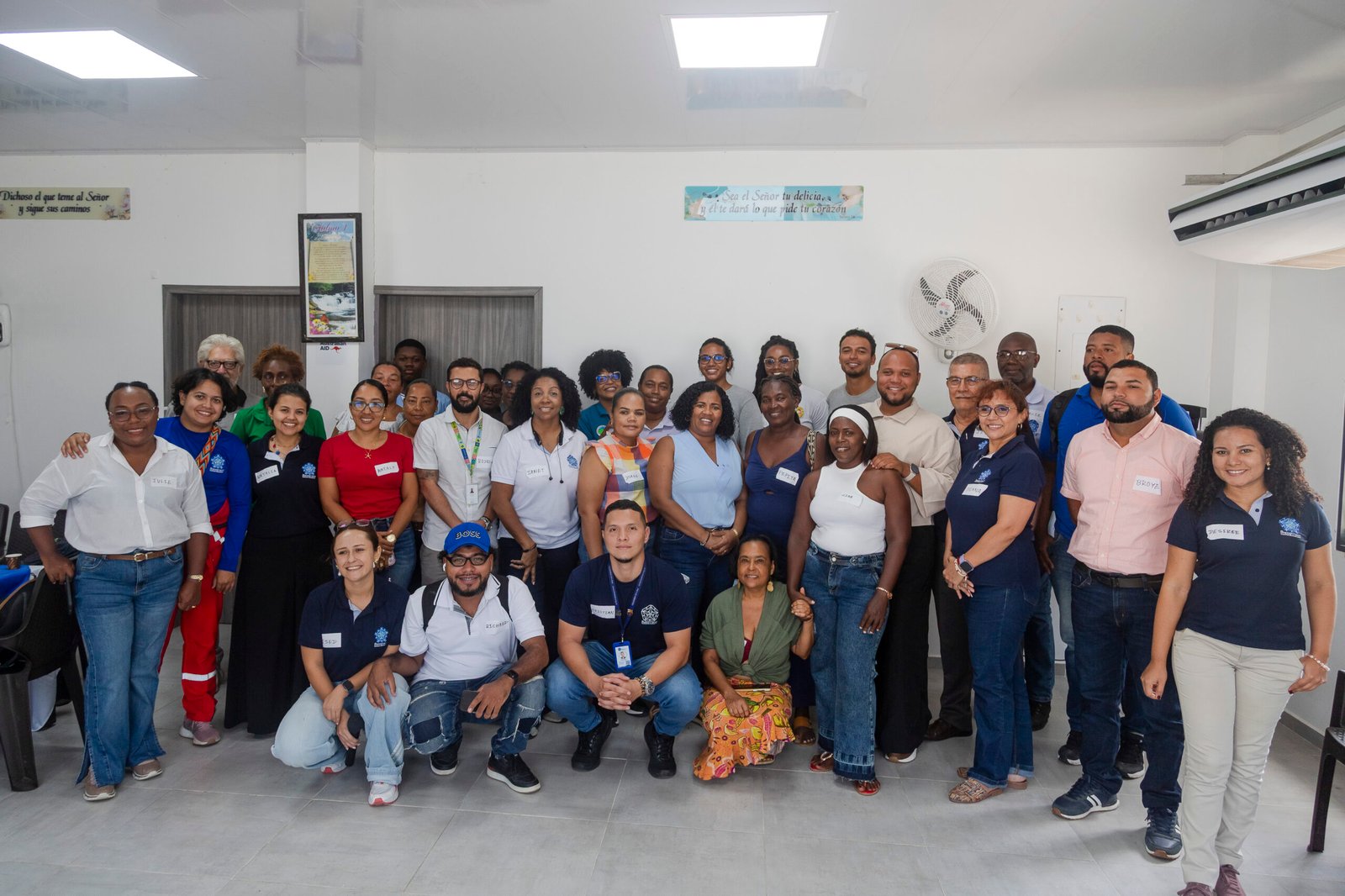
Photographs by Joseph Britton: Participants in the Providencia Regional Committee
Voices from the Region
One of the most significant activities in these forums was the “Voices of the Territory” initiative, through which communities shared their experiences, recommendations, and knowledge about the archipelago’s ecosystems.
Beyond simply gathering information, this exercise aims to recognize and highlight local knowledge and the Raizal community’s historical relationship with the sea. It also provides insight into residents’ perceptions of the project, as they highlight the benefits it is beginning to generate in the region, particularly in terms of environmental restoration and the strengthening of local participation.
Janet Vivas, head of the Marine and Coastal Ecosystem Prevention and Protection Division at the Institute for Marine and Coastal Research (INVEMAR), emphasizes that *From Roots to Tides: Resilient Ecosystems aims to establish a long-term collaborative process with the communities of the archipelago.
“In the coming years, we will move forward with the development of plans to strengthen, restore, and conserve mangroves and seagrass beds, always in collaboration with local communities and stakeholders, because their participation is essential to ensuring the sustainability of these efforts,” said Vivas.
Ecosystems at the Heart of the Archipelago
The areas prioritized by the project are concentrated in ecosystems that are vital to the archipelago. Providencia’s main mangrove stand is located in the Old Providence McBean Lagoon National Natural Park, the largest and best-preserved mangrove forest in the territory, within the Seaflower Biosphere Reserve. Meanwhile, Manchineel Bay, Jones Point, and Santa Catalina are among the areas identified for restoration efforts.
The importance of these coastal forests was demonstrated during Hurricane Iota, when their roots acted as a natural barrier that helped protect the coast. In addition to this function, seagrass beds serve as nurseries for fish and crustaceans, helping to maintain water quality and contributing to climate regulation.
Restoring and conserving these ecosystems is particularly important in the archipelago, which is considered one of the country’s most vulnerable regions to the effects of climate change.
Sustainability Strategies and Local Impact
The regional working groups have also provided a platform for presenting strategies aimed at promoting and strengthening sustainable economic opportunities for families across the archipelago, in value chains such as ecotourism and waste management.
These initiatives also help strengthen coordination with local and academic institutions, as well as cooperation with strategic partners, including the Archipelago’s environmental authority.
The purpose of these actions is to foster participatory management in which the community plays a leading role in protecting the archipelago’s natural heritage and strengthening the resilience of its ecosystems in the face of environmental challenges. In this way, conservation ceases to be an exclusively technical matter and becomes a shared process that brings together scientific knowledge and local wisdom.
The Regional Working Groups are part of the participation strategy for the “From Roots to Tides: Resilient Ecosystems” project and promote ongoing dialogue among communities, institutions, and academia. These forums aim to collaboratively develop actions that contribute to the conservation of marine and coastal ecosystems and to the well-being of the communities in the Archipelago.
In this way, the project continues to strengthen processes in which science, inter-institutional cooperation, and local knowledge come together to contribute to the conservation of biodiversity and the sustainable management of the region’s ecosystems.
In the next phases, the project will continue to make progress in implementing concrete actions and strengthening coordination among the various stakeholders in the region. The goal is for the communities, organizations, and institutions in the Archipelago region to consolidate their participation and leadership in conservation and climate change adaptation efforts.
About the Project
From Roots to Tides: Resilient Ecosystems aims to enable communities and institutions in the Pacific and the Caribbean to adaptively manage their strategic ecosystems, integrating tools, new knowledge, and economic opportunities for climate and biodiversity protection. The initiative is being implemented in three regions: Montes de María, led by the Natural Heritage Fund; Chocó, led by the Pacific Environmental Research Institute (IIAP); and the Archipelago of San Andrés, Providencia, and Santa Catalina, led by INVEMAR.
This project is funded by the International Climate Initiative (IKI) of the German Federal Government.