
A financial institution that decides where to invest, how to manage its risks, or what information to disclose is also making decisions about the future. However, for climate considerations to be incorporated into those decisions, financial actors need more than just international standards: they require evidence, knowledge, tools, and opportunities to learn from one another.
This was the starting point for the Latin American Climate Asset Disclosure Initiative (LACADI), which, between February 2022 and June 2026, worked in Colombia, Mexico, and Peru to build capacity, generate evidence, and accelerate the integration of climate risks and opportunities into the financial system.
One of the first challenges was to understand the state of the market. LACADI evaluated 115 financial institutions and issuers, establishing a regional baseline that made it possible to compare how these actors were disclosing and managing these aspects. The initiative also developed regional classifications, technical studies, case studies, policy briefs, and legal and regulatory analyses to translate this evidence into action.
However, evidence only becomes valuable when it reaches decision-makers. Through training programs, technical assistance, and forums for exchange, 170 professionals expanded their knowledge through the regional course on climate scenarios, while 65 board members and executive leaders gained awareness of risk management and climate governance. In addition, six organizations received intensive support and 68 tailored technical recommendations to align their disclosures with IFRS S2, the international standard for disclosing how climate-related factors affect companies and their financial decisions.
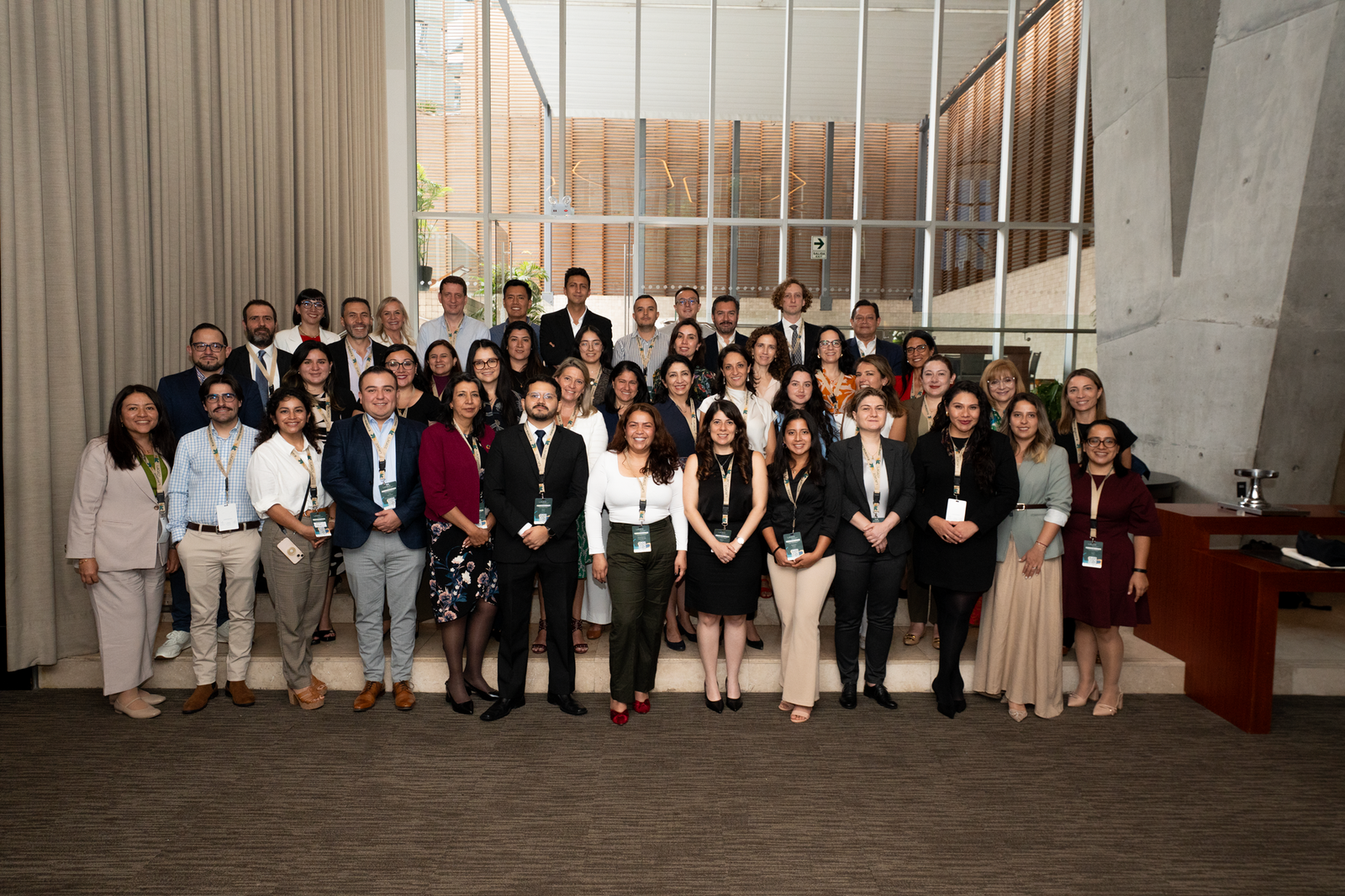
The transformation also took place through collaboration. LACADI brought together 318 organizations from the financial, public, and civil society sectors in the three countries, creating opportunities for regulators, investors, banks, insurance companies, trade associations, and government agencies to learn from one another. Regional and bilateral meetings facilitated dialogue among stakeholders who operate under different regulatory frameworks but face a common challenge.
This regional approach proved to be essential: climate finance does not evolve in isolation within national borders, nor do the lessons needed to strengthen it. By creating spaces for peer-to-peer exchange, LACADI brought together experiences that will continue to guide financial decisions even after the initiative concludes.
For this reason, LACADI’s contribution is not measured solely by the number of institutions evaluated, people trained, or technical products developed. Its true legacy lies in the capacities built, the open conversations, and the networks established to continue driving climate action in Latin America.
LACADI was implemented by Transforma, Libélula, and the Mexico Climate Initiative (ICM), with strategic partners in Colombia, Mexico, and Peru, and received support from the German Federal Government’s International Climate Initiative (IKI).